Sometimes you don’t need a meal plan. You don’t need another trip to the supermarket. And you definitely don’t need takeaway.
You just need to look at what you’ve already got and work out what dinner can be made from it.
These pantry dinner ideas are for those nights when the fridge is looking a little sad, the pantry isn’t exactly overflowing, and you’re trying to stretch what you have for another day or two. They’re simple, flexible and designed for real family cooking — because dinner doesn’t have to be fancy to be good.
SAVE TIME
FAMILY FRIENDLY
SAVE MONEY
LOW STRESS
EASY TO ADAPT
Why Pantry Dinners Make Family Dinners Easier
A pantry dinner isn’t necessarily a meal made entirely from tins and packets.
It’s simply a dinner where you use what you already have instead of shopping for a specific recipe.
That might mean:
This is one of the easiest ways to save money on food because you’re using ingredients you’ve already paid for — and hopefully using up the things that might otherwise end up in the bin.
What I Always Keep in My Pantry and Freezer
I don’t keep a huge emergency stockpile, but there are a few things I almost always have on hand. With these basics, I can usually pull together dinner without going to the shops.
Pantry: pasta, Arborio rice, basmati rice, tinned tuna, coconut cream and tinned tomatoes.
Freezer: spinach, broccoli, peas and corn.
I also keep my spice drawer pretty well stocked, which makes it easy to take the same basic ingredients in completely different directions — curry one night, pasta the next and fried rice after that.
The Pantry Dinner Formula: What to Make With What You Have
When you’re running low on food, don’t start by looking for a recipe.
Start by looking at what you’ve got.
I like to think about dinner in four simple parts:
Protein + carbohydrate + vegetable + flavour
You don’t need all four every time, but it gives you somewhere to start.
Protein
Look for:
- Chicken
- Beef or pork mince
- Sausages
- Eggs
- Tinned tuna or salmon
- Beans or chickpeas
- Leftover roast meat
- Ham
- Prawns
- Cheese
Carbohydrate
Think:
- Pasta
- Rice
- Potatoes
- Noodles
- Wraps
- Naan
- Bread
- Flatbreads
Vegetables
Use whatever is available:
- Fresh vegetables
- Frozen vegetables
- Tinned vegetables
- Leftover cooked vegetables
- Salad ingredients that need using
Flavour
This is where you can completely change the meal.
Look for:
- Curry powder or curry paste
- Soy sauce or tamari
- Pesto
- Tinned tomatoes
- Tomato paste
- Coconut milk
- Stock
- Herbs and spices
- Cheese
- Sour cream or yoghurt
- Chutney or other sauces
For example:
Chicken + rice + frozen vegetables + curry powder = curry
Eggs + leftover vegetables + cheese = frittata
Tuna + pasta + tomatoes + herbs = quick pasta
Leftover meat + cheese + flatbread = pizza
Cold rice + leftover meat + vegetables + soy sauce = fried rice
Once you start thinking this way, you realise you probably have more dinner options than you thought.
Really running low? Start here:
- Use the most perishable ingredient first.
- Add a carbohydrate such as pasta, rice, potatoes, bread or naan.
- Add a protein if you have one.
- Choose a flavour direction.
Easy Pantry Dinner Ideas
1. Make a Quick Curry
Curry is one of the best pantry dinner ideas because it doesn’t need to follow a strict recipe.
Creamy curry
Start with chicken, leftover meat, chickpeas or even vegetables.
Add:
- Curry powder or curry paste
- Coconut milk, cream or yoghurt
- Frozen or fresh vegetables
- Rice or naan
You can make it mild for the whole family and add chilli or extra spice at the table.

Tomato-based curry
If you don’t have coconut milk or cream, use tomatoes instead.
Tinned tomatoes + curry powder or paste + vegetables + your choice of protein can become a surprisingly good dinner.
Don’t worry if you don’t have the exact vegetables suggested in a recipe. Curry is very forgiving.
What actually works: frozen vegetables are completely fine here. Peas, spinach, broccoli and mixed vegetables can all work.
What doesn’t work as well: adding lots of different vegetables just because you have them. Too many competing flavours can make a quick curry taste muddled.
2. Make a Stir-Fry From Whatever You Have
Stir-fry is another brilliant use-what-you-have dinner.
You can use:
- Chicken
- Beef
- Pork
- Prawns
- Eggs
- Tofu
- Leftover cooked meat
Then add whatever vegetables are available.
Fresh vegetables are great, but frozen vegetables are often even easier on a night when you’re running low.
Serve with rice or noodles.
For flavour, use whatever combination you have of soy sauce or tamari, garlic, ginger, honey, sesame oil, chilli or a stir-fry sauce.
You don’t need five different vegetables.
One protein + two or three vegetables + a simple sauce is enough.
3. Make Fried Rice With Whatever You Have
Fried rice is one of my favourite pantry dinner ideas because it can turn a small amount of leftover meat and a few vegetables into a proper family dinner.
You don’t need a particular combination of ingredients. The best fried rice is often made from whatever is sitting in the fridge.
Start with the rice
Cook your rice, then spread it out in a thin layer on a baking tray and put it in the fridge or freezer to cool and dry out slightly.
Don’t skip this step if you can help it. Freshly cooked rice can be soft and sticky, and putting it straight into the pan can give you gluggy fried rice rather than separate, lightly toasted grains.
💡Tip: cook the rice the night before or earlier in the day and place it in the fridge to cool. I always freeze leftover rice, no matter how little it may be. All those leftovers will make another dinner eventually.
You don’t need to freeze it solid. You’re just trying to cool it down and remove some of the surface moisture.
Then add whatever you’ve got
Protein:
- Leftover roast meat
- Chicken
- Ham
- Cooked mince
- Prawns
- Bacon
- Tofu
Vegetables:
- Carrot
- Capsicum
- Celery
- Mushrooms
- Peas
- Corn
- Green beans
- Broccoli
- Spring onion
Frozen vegetables are absolutely fine. Peas and corn are particularly useful to keep on hand for an emergency fried rice dinner.
Egg or no egg?
Both work.
If you’re using egg, push the rice and vegetables to one side of the pan, add a little oil and scramble the egg before mixing everything together.
If you’re cooking without egg, simply leave it out. Add a little extra protein or vegetables if you want to bulk up the meal.
Finish with flavour
Soy sauce or tamari is the obvious starting point, but you can also add:
- Sesame oil
- Coconut aminos
- Garlic
- Ginger
- Chilli
- A little honey
- Sriracha or another chilli sauce
Don’t add too much sauce at once. You want the rice to fry rather than steam.
Cold rice + whatever protein you have + a few vegetables + a little seasoning = dinner.
4. Make a Quick Pasta Dinner
Pasta is the ultimate emergency dinner.
If you have pasta, you have a starting point.
Tomato pasta
Tinned tomatoes, tomato paste, garlic, dried herbs and Parmesan can make a simple sauce.
Add:
- Tuna
- Leftover chicken
- Mince
- Beans
- Frozen spinach
- Frozen vegetables
Or simply leave the protein out.
Creamy pasta
Sour cream, cream, cream cheese or Greek yoghurt can all become the base of a quick creamy sauce.
Add whatever you have that needs using.
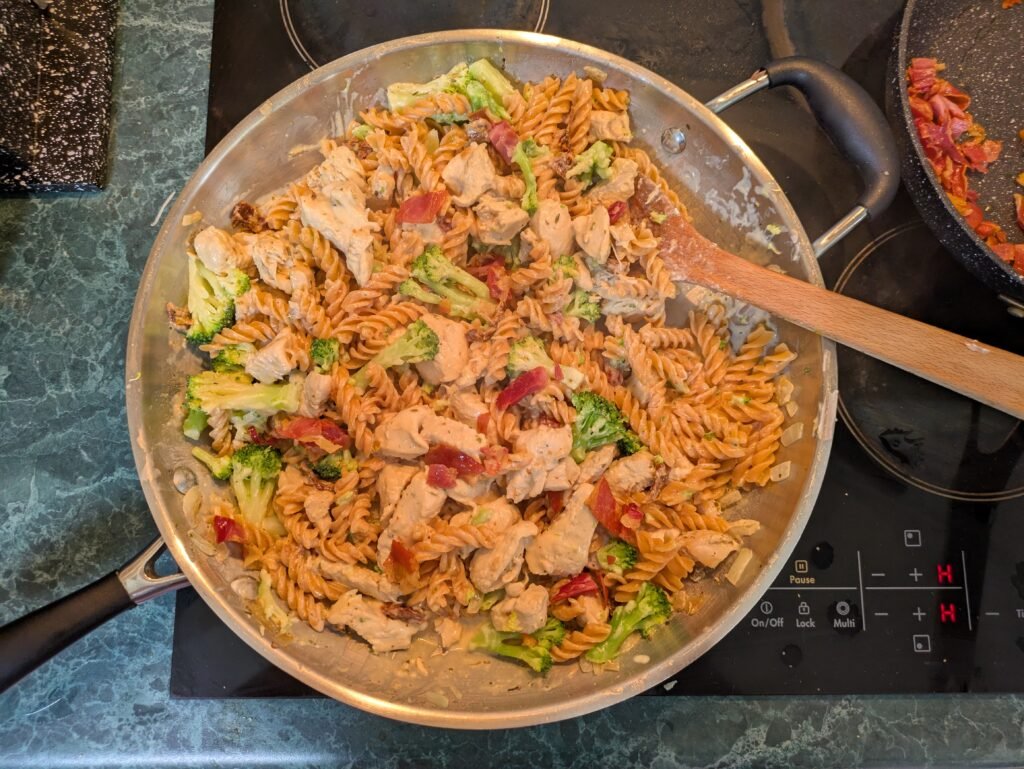
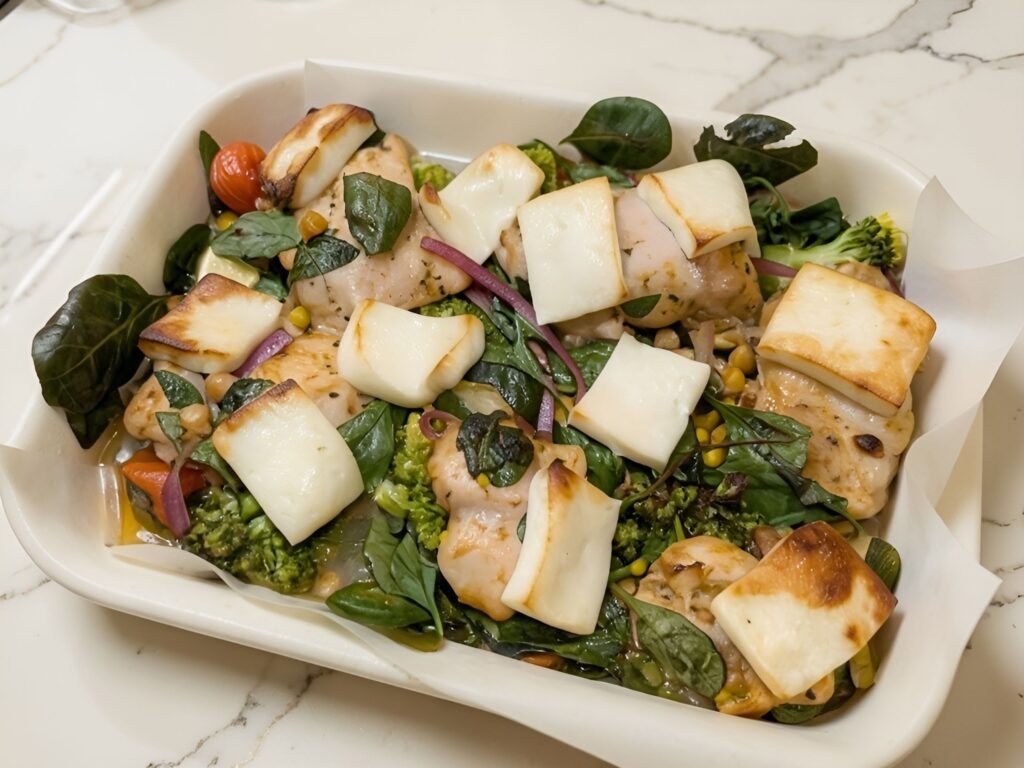
One dinner I made this way was creamy chicken pasta with sun-dried tomatoes, sour cream, Parmesan, broccoli and crispy prosciutto. I hadn’t planned it as a recipe — it was simply a case of looking at what was in the fridge and putting it together.
That’s exactly the sort of cooking these pantry dinner ideas are about.
You don’t need to have the ingredients for a particular recipe. You need enough ingredients to make a good dinner.
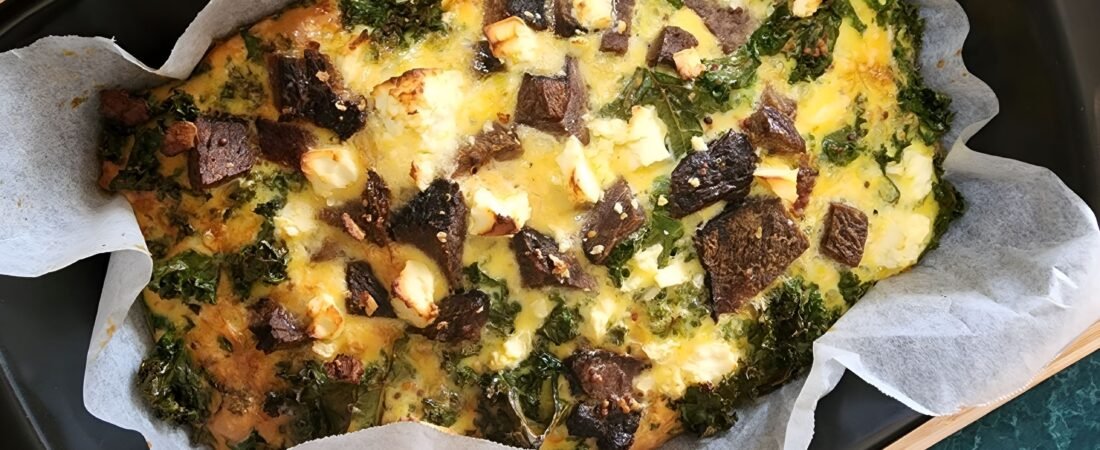
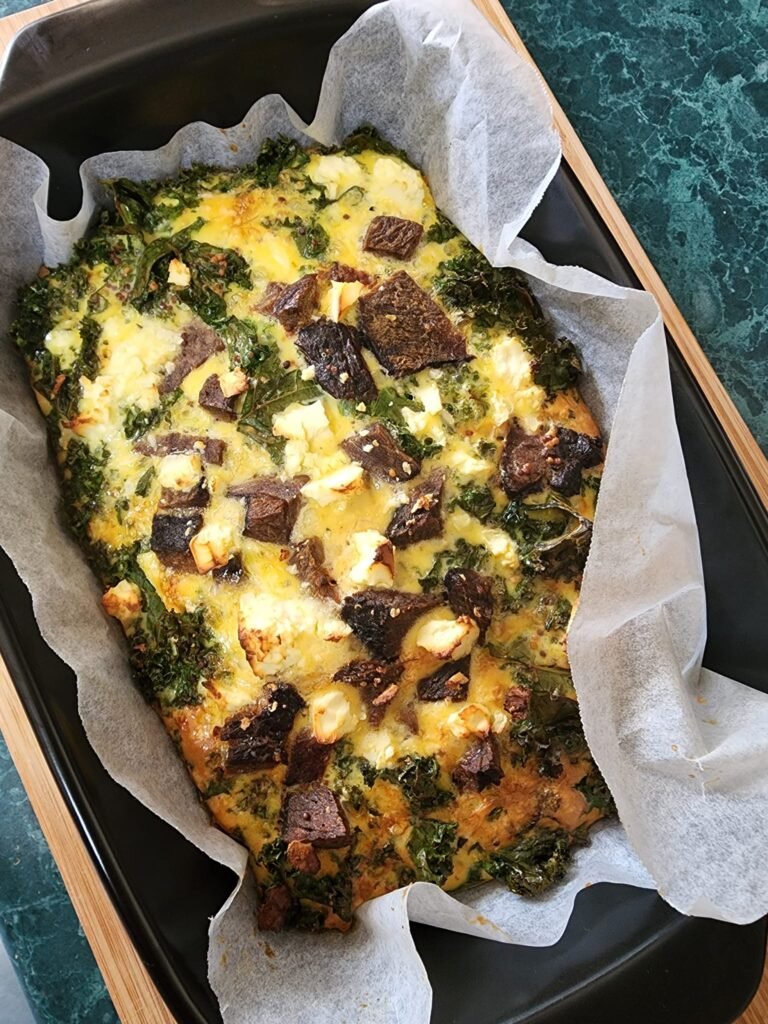
5. Make a Frittata
If you’ve got eggs, you’ve got options.
Frittata is particularly useful when you have lots of small amounts of ingredients that aren’t enough to make a meal on their own.
Try adding:
- Leftover roast vegetables
- Frozen spinach
- Potato
- Peas
- Broccoli
- Ham
- Bacon
- Cheese
- Herbs
- Leftover chicken
Serve with toast, salad or whatever bread you have.
It’s also a great way to use vegetables that are starting to look a little tired.
The important thing with frittata
Don’t overload it.
A few well-chosen fillings usually work better than throwing every leftover vegetable into the pan.
6. Turn Leftovers Into Pizza
Pizza is one of the best ways to make leftovers feel like a completely new dinner.
Use your favourite homemade pizza base, naan, wraps or flatbread and add whatever you have.
Try:
- Leftover roast chicken
- Cooked mince
- Roast vegetables
- Leftover bolognese
- Pesto
- Herbs
- Cheese
- Tomato sauce
- Creamy sauces
And don’t be afraid to think outside the usual pizza toppings.
Leftover butter chicken + cheese = butter chicken pizza.
Leftover satay chicken + vegetables + cheese = satay-inspired pizza.
Roast vegetables + pesto + feta = vegetable pizza.
The point isn’t to create a restaurant-style pizza. It’s to turn yesterday’s leftovers into something the family is happy to eat tonight. I am not kidding when I say I freeze almost everything. The smallest portion of leftover meat or curry sauce can make the most delicious pizza.
If your family enjoys pizza night, my Family Pizza Night Made Easy has more ideas.

7. Make Two-Ingredient Naan
Two-ingredient naan is one of those recipes worth keeping in your back pocket.
You need:
- Self-raising flour
- Greek yoghurt
That’s it.
Once you have the dough, you can use it alongside curry, turn it into flatbread pizzas or use it as a quick base for wraps and sandwiches.
It can also become emergency garlic bread.
That makes it particularly useful when you’re trying to avoid another trip to the shops.
Family-friendly swap: use whatever plain yoghurt you normally keep on hand, but check the consistency. You may need a little more or less flour depending on the yoghurt. I have also made this with coconut yoghurt and gluten free flour – it works!
8. Make Easy Garlic Bread
Sometimes you’ve got dinner sorted but it feels like something is missing.
If you have bread, butter and garlic, you’re there.
Mix softened butter with:
- Garlic
- Dried or fresh herbs
- Parmesan, if you have it
Spread over bread and bake until crisp around the edges.
No garlic?
Use garlic powder.
No loaf?
Use rolls, wraps or naan.
No Parmesan?
Leave it out.
This is a perfect example of why pantry dinner ideas don’t need to be complicated. You’re working with what is actually in the kitchen.
9. Make a Tuna Dinner
Tinned tuna is one of the most useful pantry proteins to keep around.
You can turn it into:
Tuna pasta
Pasta + tuna + tomato sauce, pesto or a creamy sauce.
Tuna rice bowls
Rice + tuna + vegetables + whatever sauce you have.
Tuna patties
Tuna + egg + breadcrumbs or crushed crackers + herbs.
Tuna melts
Bread + tuna + cheese, grilled until bubbling.
The best option depends on what else you have available.
And that’s the whole point.
A Simple Pantry Dinner Cheat Sheet
When you’re standing in the kitchen with no idea what to make, start here:
Have chicken?
→ Curry, stir-fry, pasta, pizza or rice bowls.
Have mince?
→ Pasta, tacos, pizza, rice bowls or meatballs.
Have eggs?
→ Frittata, omelette, fried rice or egg sandwiches.
Have tuna?
→ Pasta, rice bowls, tuna melts or patties.
Have leftover meat?
→ Pizza, wraps, fried rice, pasta or tacos.
Have vegetables but no protein?
→ Frittata, pasta, vegetable curry, soup or cheesy bake.
Have pasta but almost nothing else?
→ Tomato pasta, garlic butter pasta, tuna pasta or cheesy pasta.
Have bread or naan but no dinner?
→ Pizza, garlic bread, melts or flatbreads.
Pantry Dinner Ideas for Different Dietary Needs
This approach works particularly well when you’re cooking for people with food intolerances because you can often adapt the base meal rather than making something completely separate.
For example:
Gluten free
Use gluten-free pasta, rice, potatoes, corn tortillas or gluten-free wraps.
Remember to check sauces, stock, curry pastes and other packaged ingredients for hidden gluten.
Dairy free
Use dairy-free yoghurt, cream or cheese where appropriate, or simply leave cheese out of dishes where it isn’t essential. Coconut cream or milk for curries or even pasta are a great backup.
Egg free
Choose egg-free pasta, wraps or naan where needed and use another protein such as chicken, tuna or beans.
Low FODMAP
The ingredients become more specific, but the same principle applies. Start with suitable ingredients and use simple flavourings rather than assuming you need a completely different dinner.
This is where my guide to adapting recipes for food intolerances can help.
How to Save Money With Pantry Dinners
The cheapest dinner isn’t always the one with the cheapest ingredients.
It’s often the dinner you don’t need to shop for.
Before heading to the supermarket, check:
Fridge → freezer → pantry
Use what needs using first, then buy only the missing ingredient if you genuinely need it.
For example, if you have:
- Chicken
- Pasta
- Frozen broccoli
- Sour cream
- Parmesan
You don’t need to buy ingredients for a completely different dinner.
You already have dinner.
This is also why having a few reliable pantry staples can make your grocery budget much easier to manage.
My Budget Meals for Food Intolerances guide has more ideas for keeping family meals affordable when dietary needs are involved.
Look first. Shop second.
Flexible Family Cooking Notes
Pantry dinners are made for flexible family cooking. Start with one simple base, then let everyone add the ingredients, sauces or sides that work for them.
Because flexible family cooking isn’t about cooking more.
It’s about cooking smarter.
The Best Pantry Dinner Is the One You Can Actually Make
The biggest thing I’ve learnt about pantry dinner ideas is that you don’t need a perfectly stocked kitchen.
You need a few reliable ingredients and the confidence to change direction.
A recipe might say chicken, broccoli and rice — but if you have chicken, frozen peas and pasta, that doesn’t mean dinner is ruined.
It means you’re making a different dinner.
That’s the beauty of cooking this way.
Use what you have. Make the swaps that make sense. Don’t overthink it. And save the supermarket trip for tomorrow.
Because sometimes the best family dinner is simply the one that gets everyone fed without anyone having to leave the house.
More Flexible Family Recipes
Frequently Asked Questions
Tried this approach?
Leave a comment and share what you made with the ingredients you had — it helps other families more than you think!
Real Food For Real Families
These recipes are designed to help you cook one flexible meal that works for everyone — without making multiple dinners.
I focus on simple ingredients, practical swaps and real-life cooking.
Because flexible family cooking should reduce stress, not add to it.





Leave a Reply