Budget meals for food intolerances can feel hard to manage, especially right now. With grocery prices climbing, fuel costs rising, and mortgage pressure hitting many Australian families, keeping food safe and affordable is a real challenge.
Creating budget meals for food intolerances doesn’t need to be complicated or expensive.
The good news is you don’t need expensive “free-from” products or complicated meal plans. With a few practical strategies, you can create budget meals for food intolerances that actually work in a real family kitchen.
If you’re still relying on packaged swaps, start here: Gluten Free Pantry Staples | What to Buy and Avoid— it’s one of the easiest ways to cut costs quickly.
This post may contain affiliate links, which means I may earn a small commission if you purchase through them — at no extra cost to you. These links help support Flexible Family Kitchen and allow me to continue creating free, adaptable recipes. I only share products I personally use or genuinely recommend.
Why This Post Helps
When you stop cooking separate meals and start building one adaptable base meal, you naturally create budget meals for food intolerances that are cheaper, easier, and less stressful.
The Real Cost Problem (and What Actually Works)
Many families end up spending more because of:
- Specialty “free-from” products
- Cooking multiple meals
- Wasted ingredients
With grocery prices continuing to rise across Australia, many families are looking for practical ways to reduce their weekly shop without changing how they cook. CHOICE shares simple grocery swaps that can help you save money at the supermarket while still buying the foods you actually use.
What actually works better:
👉 Build budget meals for food intolerances using simple, whole ingredients and adapt them as needed.
Instead of:
- Gluten-free frozen pizza → make your own pizzas using leftovers
- Dairy-free ready meals → cook a base and adjust
Pair this with a flexible pantry (see Pantry Swaps for Allergy-Friendly Cooking) and you’ll notice the difference fast.
1. Build Meals Around What You Already Have
This is one of the biggest shifts you can make.
Start with:
- Meat already in your freezer
- Vegetables that need using
- Pantry staples
Then build your meal from there — not the other way around.
Real-life examples:
- Leftover roast chicken → wraps, fried rice, pizza
- Cooked mince → pasta, rice bowls, baked potatoes
This is how you consistently create budget meals for food intolerances without extra effort.
💡Clear glass storage containers make it much easier to see what you have and actually use it.
2. Repurposing Leftovers (Where You Save the Most)
This is one of the simplest habits that leads to consistent savings.
What actually works:
- Freeze every bit of leftover meat
- Small amounts add up quickly
- Keep a “leftovers” section in your freezer
This is one of the easiest ways to build budget meals for food intolerances that stretch further without extra cooking.
How to use it:
- Pizza toppings (we do this all the time)
- Salads or wraps
- Fried rice or pasta
👉 Leftover meat makes the best pizza toppings — one of the easiest ways to stretch meals further.
Stretching Saucy Meals Further
Casseroles and slow-cooked meals often leave extra sauce.
Don’t waste it:
- Keep the sauce
- Add extra meat or vegetables
- Turn it into a meat pie filling
Why this works:
- Flavour is already developed
- You skip extra prep
- It becomes a completely new meal
💡A simple pie dish makes this quick and easy.
Don’t Throw Out “Dying” Veg
This is one of the easiest ways to reduce waste and save money.
What to do:
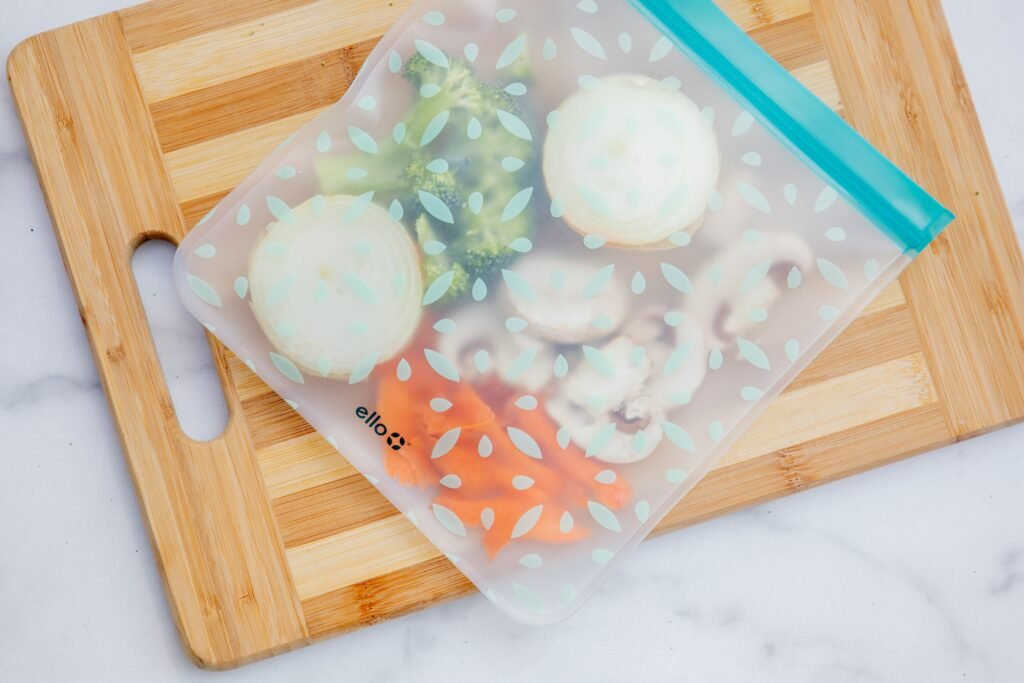
- Chop and freeze vegetables before they go off
- No complicated prep needed
Food waste is another hidden cost that adds up quickly in many households. Foodbank Australia highlights how much perfectly good food is wasted each year, along with the impact rising living costs are having on families across the country.
Best uses:
- Pasta sauces
- Casseroles
- Soups
💡 Reusable freezer bags help keep everything organised.
3. Stop Relying on Specialty “Free-From” Products
This is where budgets often blow out.
These products are:
- Expensive
- Smaller portions
- Not always filling
What works better:
Use simple, everyday swaps instead.
👉 Start with Dairy-Free Substitutes That Actually Work
Focus on:
- Basic pantry ingredients
- Rice instead of gluten-free pasta
- Homemade sauces
4. Choose Cheaper Cuts (and Cook Them Right)
You don’t need expensive meat to create good meals.
Budget-friendly options:
- Chicken thighs
- Mince
- Slow-cook cuts
Why this works:
- More flavour
- Better for batch cooking
- Easier to stretch across meals
💡 I use my slow cooker more than my oven — it’s perfect for cheaper cuts and makes weeknights easier.
5. 1 Recipe, 2 Meals (Budget Meals for Food Intolerances)
You’re not cooking more — just planning smarter.
This is one of the easiest ways to create budget meals for food intolerances without extra effort.
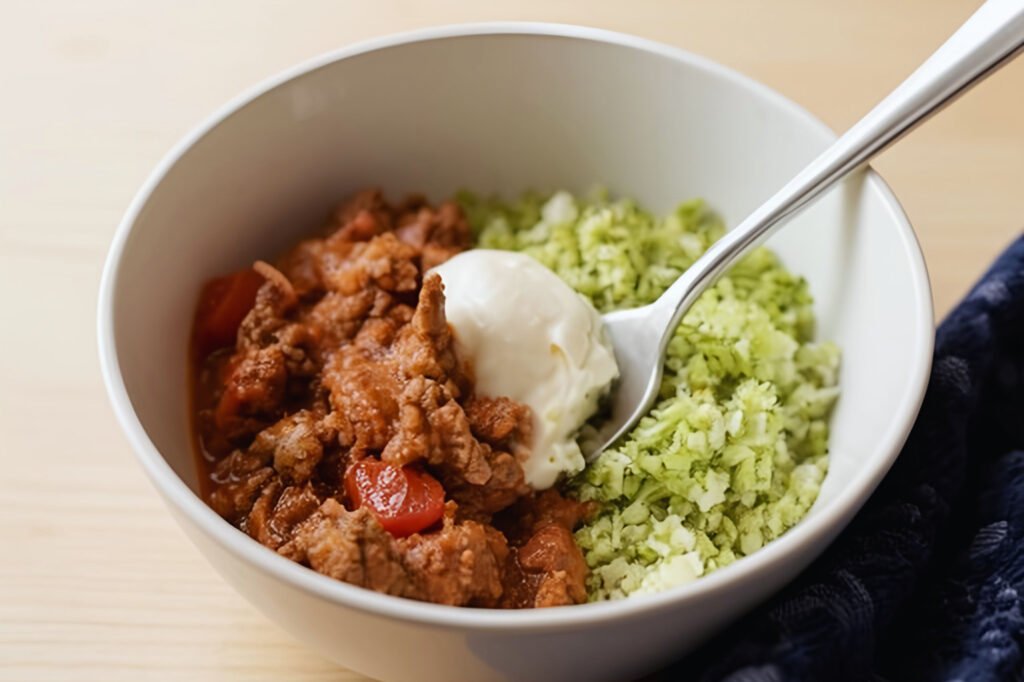
Chilli Con Carne → Two Meals
Night 1:
Serve with rice and fresh salad
Later in the week:
Serve over baked potatoes
Why this works:
- Feels like a new meal
- Reheats well
- Flavour improves
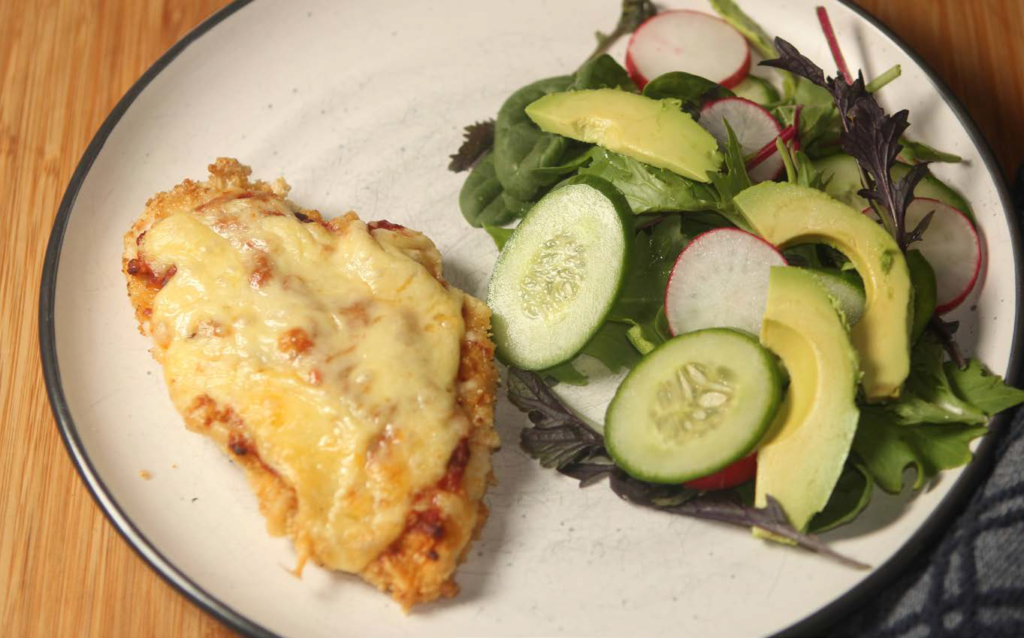
Chicken Parma → Two Ways
Night 1:
Serve with vegetables or salad
Later in the week:
Slice into wraps or burgers
Why this works:
- No extra cooking
- Holds texture well
- Quick second meal
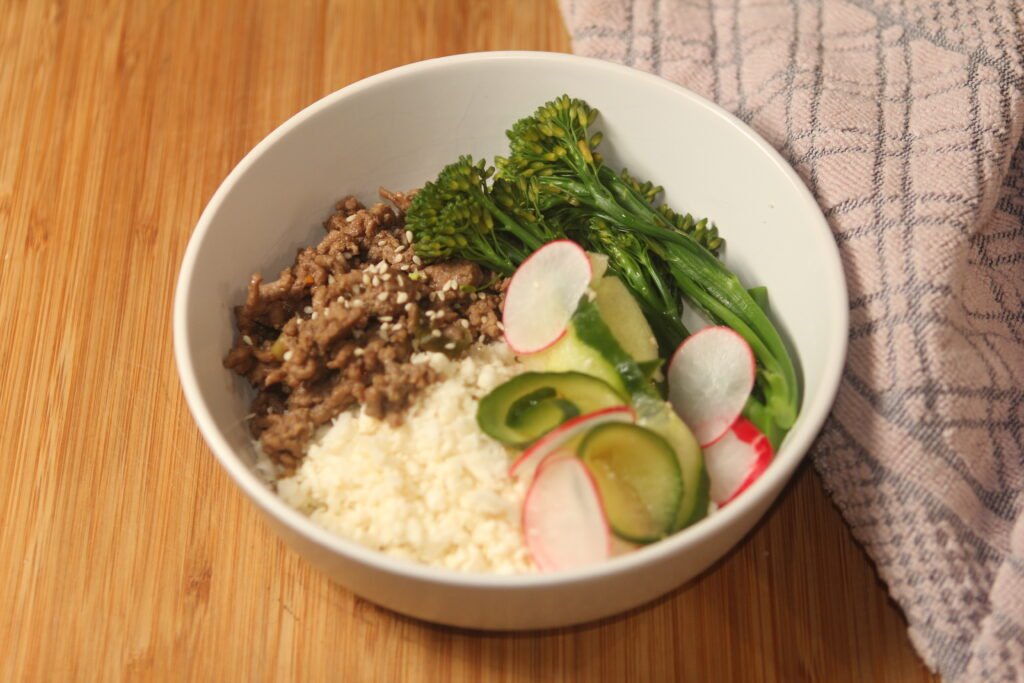
Korean Beef Bowl → Stretch It Further
Night 1:
Serve with rice and pickled vegetables
Later in the week:
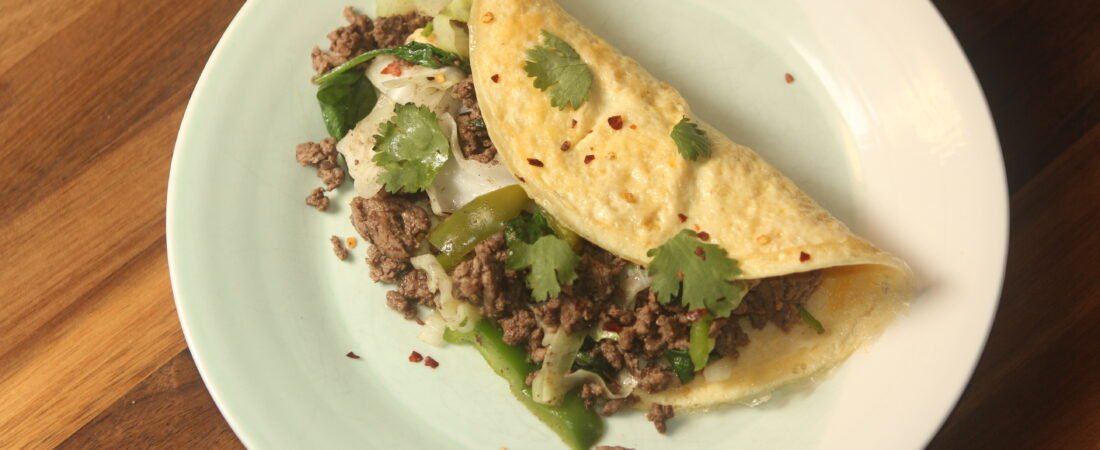
Use the beef in a thin omelette with fresh salad
Why this works:
- Packed with flavour
- Eggs create a completely new dish
- Fast and practical
💡 A good quality pan makes quick meals like omelettes much easier.
6. Make One Meal — Not Multiple
Cooking separate meals:
- Costs more
- Takes more time
- Creates stress
Instead:
👉 Build one base meal and adapt it
Examples:
- Stir fry → serve with rice, noodles, or low-carb options
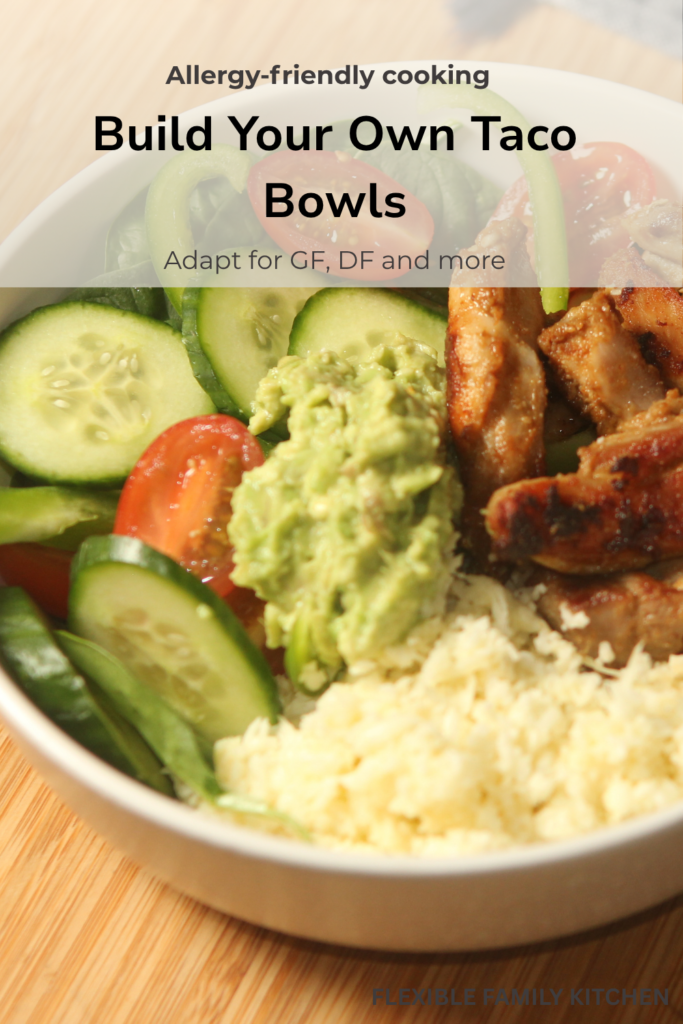
- Taco bowls → everyone builds their own
- Pasta → split before adding dairy
7. Pantry Staples That Save Money Long-Term
A flexible pantry helps you avoid expensive last-minute buys.
Focus on:
- Rice
- Stock
- Herbs and spices
- Simple sauces
💡 Buying pantry staples in bulk can reduce cost per meal significantly.
FAQ
How do I actually save money with food intolerances?
→ Focus on building meals from whole ingredients instead of buying specialty products. The biggest savings come from cooking one base meal and adapting it for different needs.
Are “free-from” products worth it for everyday cooking?
→ They can be helpful in moderation, but they’re rarely cost-effective for daily meals. Many basic ingredients like rice, meat, vegetables, and pantry staples are naturally suitable and far more affordable.
What’s the easiest way to stretch meals further?
→ Plan for leftovers before you cook. Double batch meals like chilli, casseroles, or curries and intentionally turn them into a second meal later in the week.
How do I reduce food waste in a busy household?
→ Freeze leftover meat, repurpose sauces into new meals, and use vegetables before they spoil by adding them into soups, pasta sauces, or casseroles. Even fruit can be turned into muffins or smoothies before it goes off.
What are the cheapest meals for families with food intolerances?
→ Meals based on mince, chicken thighs, rice, and pantry staples tend to be the most budget-friendly and adaptable. One-pan meals and slow cooker dishes stretch the furthest.
How do I stop cooking multiple meals for different diets?
→ Cook one base meal and adapt portions or sides. For example, serve the same protein with rice for one person and salad or potatoes for another. It reduces cost, stress, and cooking time.
Share Your Tips
Budget meals for food intolerances don’t have to be complicated or expensive. When you start using flexible meals, repurposing leftovers, and cooking with what you already have, everything becomes easier, cheaper, and far more manageable — even with rising costs.
These budget meals for food intolerances are a simple way to reduce stress, save money, and make everyday cooking easier for Australian families.
My flexible family cooking method shows how to build meals that work for your whole family without cooking multiple versions of everything.
👉 Tried these ideas? Leave a comment and share what worked for your family — it helps other families more than you think!



Leave a Reply