Tray bakes are one of the easiest ways to cook flexible family dinners without creating extra stress, extra dishes, or multiple separate meals.
QUICK & EASY
FAMILY FRIENDLY
NUTRITIOUS
LOW STRESS
EASY TO ADAPT
If you’ve ever tried to build a tray bake and ended up with burnt edges and undercooked centres, you’re not alone. Learning which vegetables to roast together is one of those simple kitchen skills that instantly makes dinner feel easier.
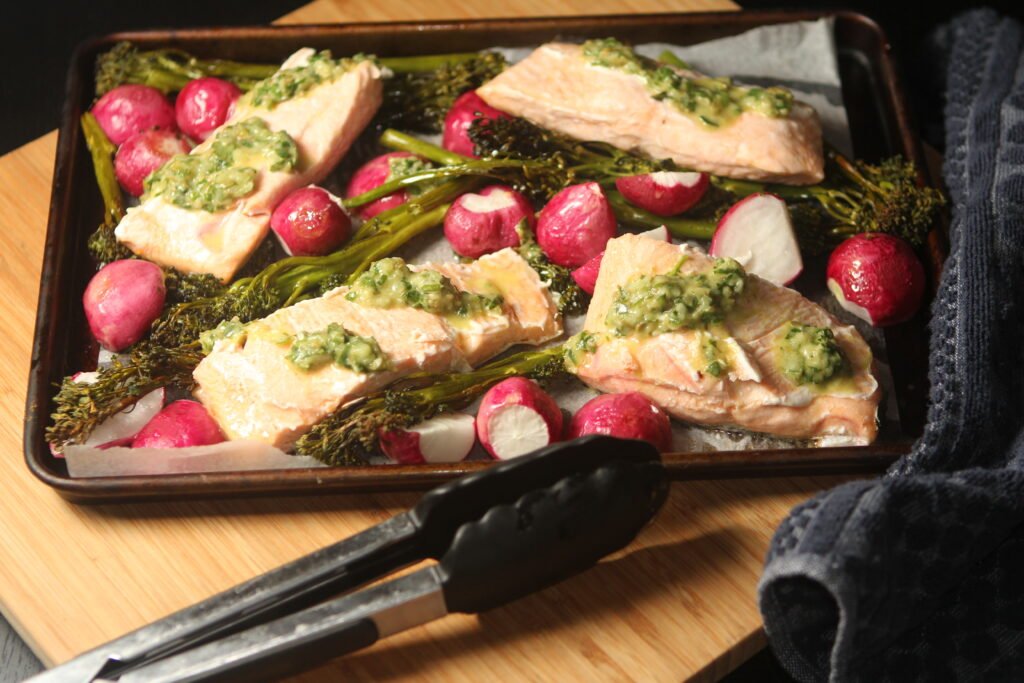
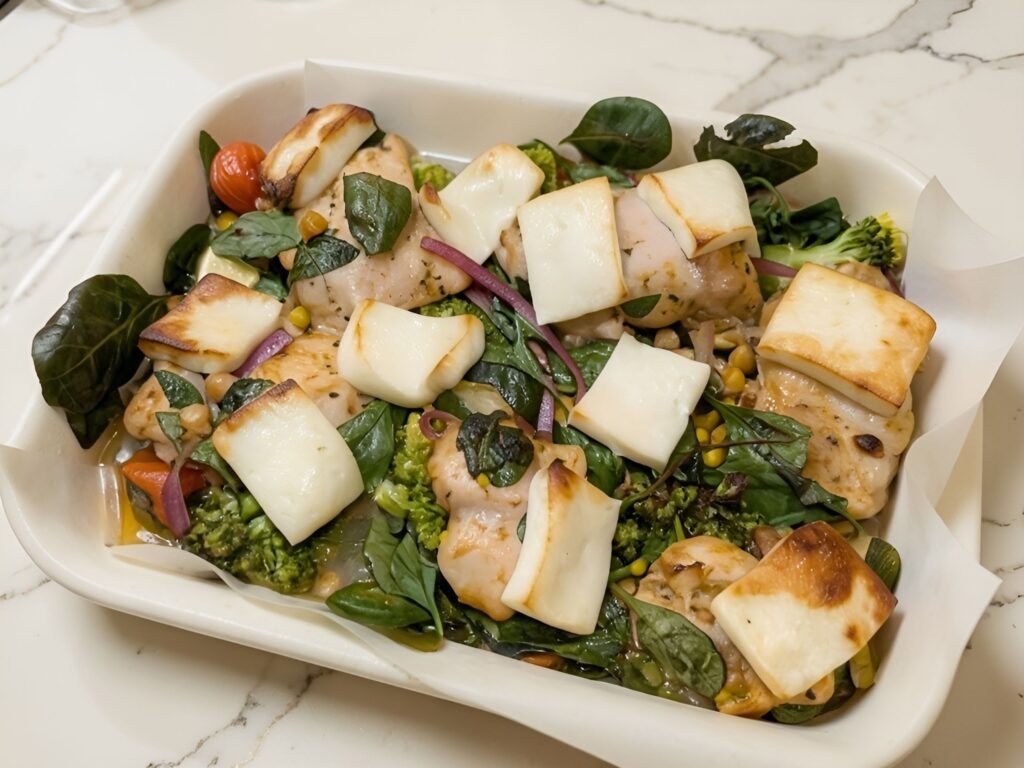
This guide ties into our Easy Family Dinner Method and works alongside recipes like Mediterranean Chicken, Chickpea and Haloumi Tray Bake and Salmon Tray Bake with Salsa Verde.
Once you understand a few simple roasted vegetable combinations, you can build almost any tray bake using what you already have in the fridge.
Why Knowing Which Vegetables to Roast Together Works So Well for Flexible Family Cooking
Knowing which vegetables to roast together means:
It’s one of those small kitchen skills that makes everyday cooking feel much easier.
What Actually Works (Roasted Vegetable Combinations)
The key to great oven roasted vegetables is grouping by cooking time, not by recipe.
Fast-roasting vegetables (quick + high heat)
Best at 200–220°C:
- Zucchini
- Capsicum
- Mushrooms
- Cherry tomatoes
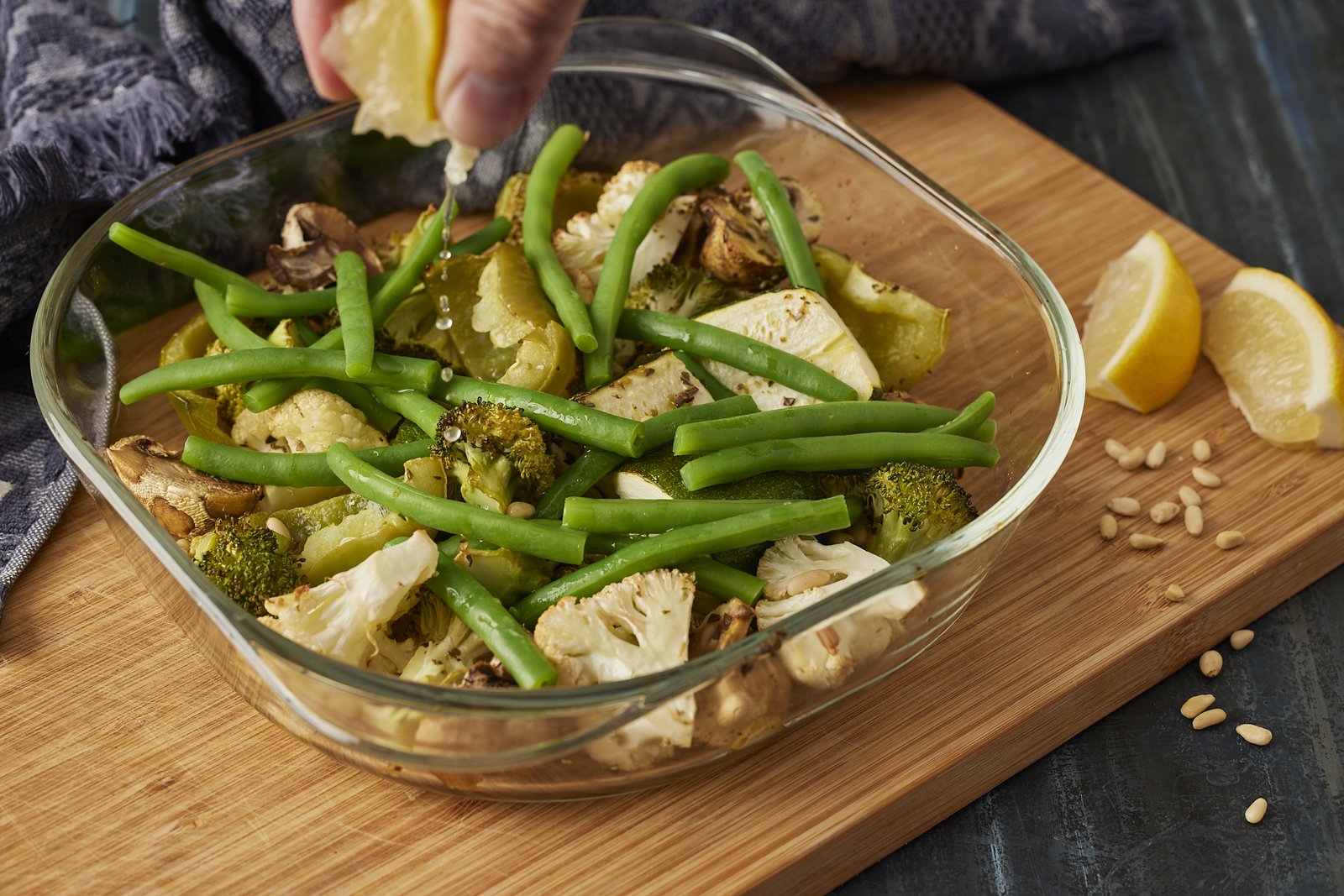
- Green beans
- Asparagus
👉 These are perfect for quick dinners and lighter tray bakes, especially fish meals like Salmon Tray Bake with Salsa Verde.
Medium-roasting vegetables (your everyday base)
These are the most reliable roasted vegetable combinations:
- Carrots (sliced)
- Broccoli
- Cauliflower
- Red onion
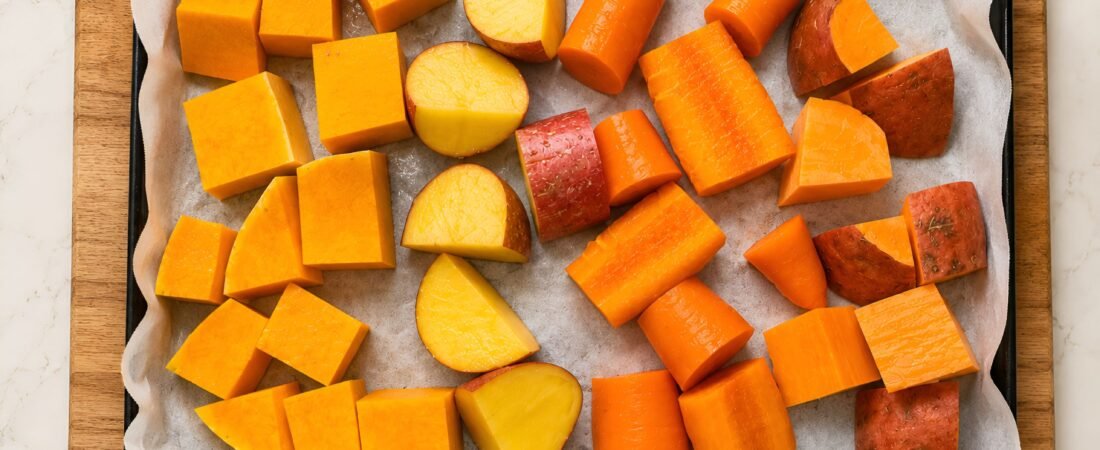
- Pumpkin (small cubes)
👉 This group is your “default tray bake mix” — flexible, forgiving, and family-friendly.
Slow-roasting vegetables (need extra time)
- Potato
- Sweet potato
- Beetroot (small cubes or pre-cooked)
- Parsnip
👉 If you like your pumpkin or carrots softer and more caramelised, add them in with potatoes for a longer roast.
Best Vegetables to Roast Together
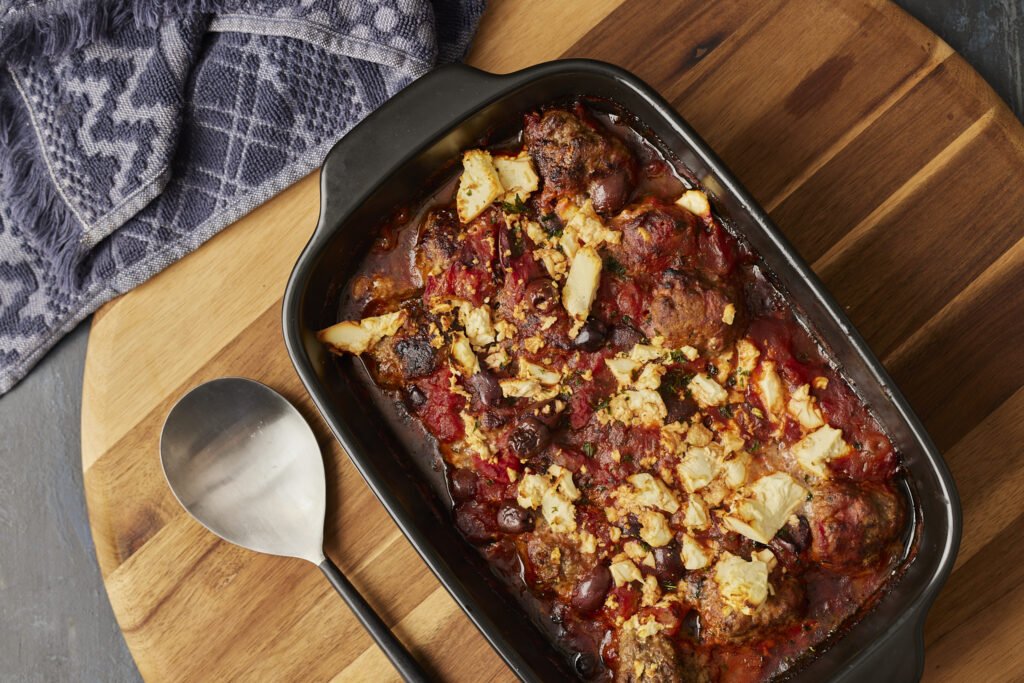
Mediterranean-style tray bake vegetables
A great option for simple, flavour-packed family dinners:
- zucchini
- capsicum
- red onion
- cherry tomatoes
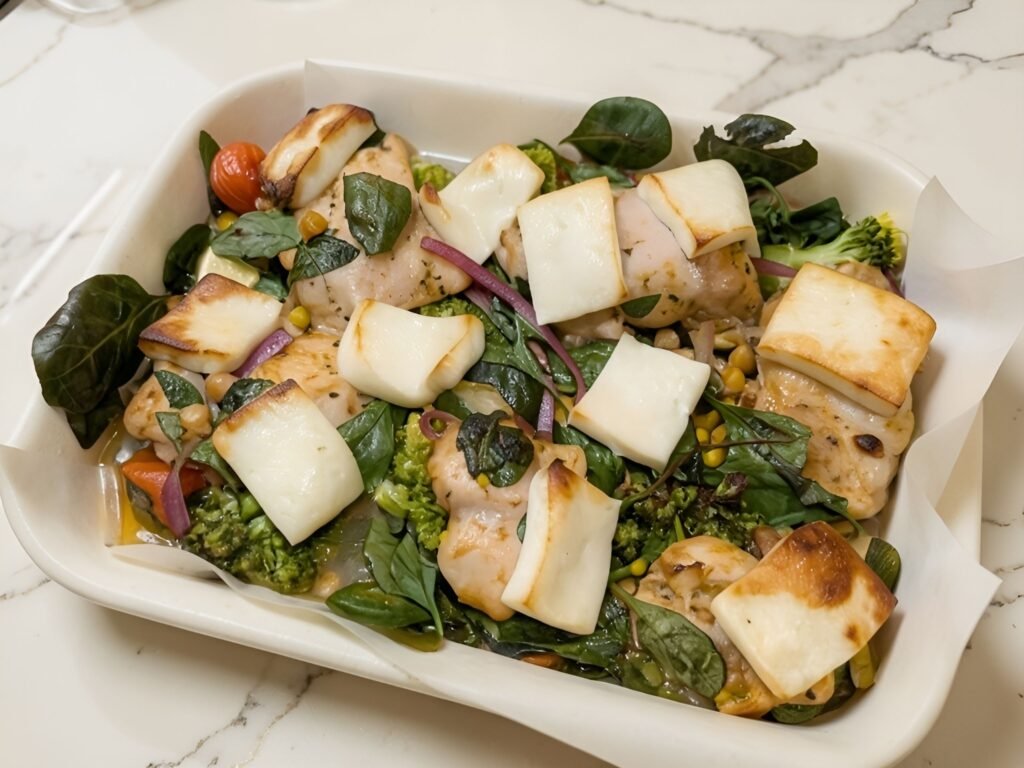
These work especially well with chicken, meatballs, or haloumi.
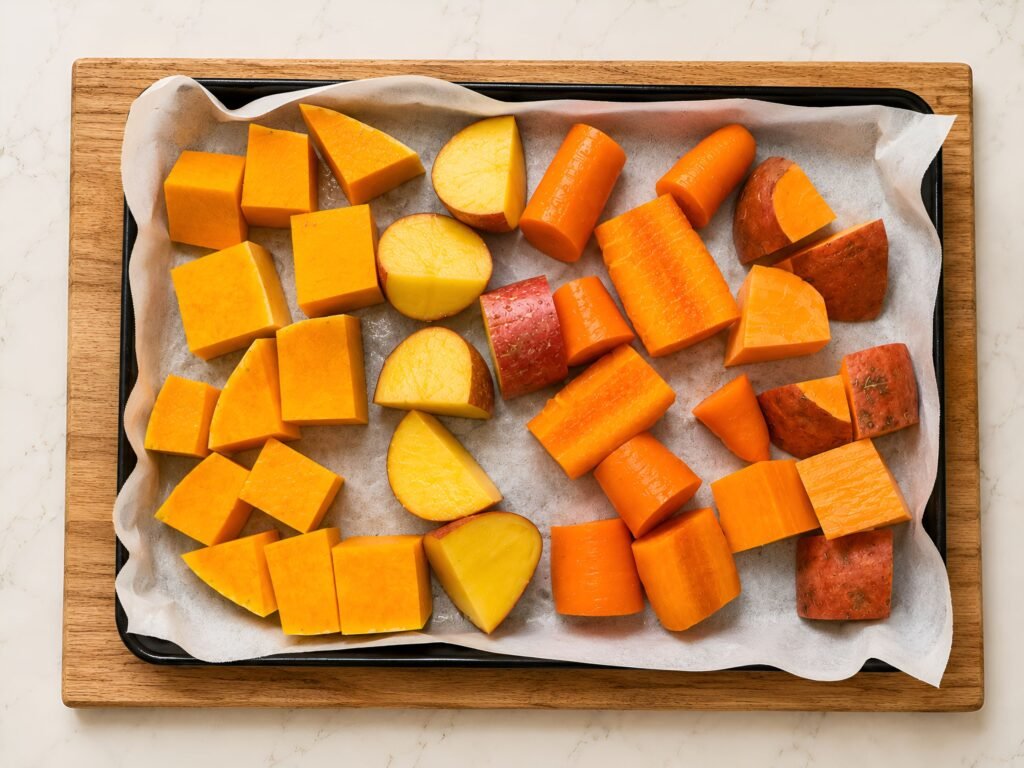
Classic family tray bake vegetables
A reliable combination for fuss-free dinners:
- potato
- carrot
- pumpkin
- broccoli
Perfect for chicken thighs, sausages, or simple weeknight meals.
Quick-cooking vegetable mix
For faster dinners:
- mushrooms
- zucchini
- green beans
- cherry tomatoes
Ideal when you need dinner on the table quickly.
Root vegetable tray bake
For cooler weather or comforting meals:
- potato
- sweet potato
- carrot
- parsnip
These roast beautifully together and hold up well for leftovers too.
Why Some Vegetable Combinations Don’t Work
Not all vegetables to roast together behave the same way in the oven.
Common issues:
- Hard + soft vegetables cooked together = Fast vegetables burn while dense vegetables stay hard.
- Overcrowding the tray = Too many vegetables means steaming instead of roasting.
- High-water vegetables added too early = Vegetables like zucchini and tomatoes release moisture and can make trays soggy.
A good rule? If in doubt, group vegetables by cooking time first, flavour second.
Vegetables That Don’t Roast As Well
Some vegetables are better added later or cooked another way.
- Leafy greens like spinach wilt too quickly.
- Frozen vegetables can work, but often release extra moisture which affects texture.
- Very large chunks of vegetables often stay hard in the middle while everything else overcooks.
The fix is simple: cut vegetables evenly and match similar cooking times.
How to Get Better Roasted Vegetables
A few small changes make a big difference:
- don’t overcrowd the tray
- roast at high heat (around 200–220°C)
- cut vegetables similar sizes
- use enough oil to coat evenly
- spread everything into one layer
Because soggy roasted vegetables are disappointing for everyone.
Flexible Family Cooking Notes
Knowing which vegetables roast well together makes tray bake dinners much easier. You can mix and match what’s in the fridge, adapt for allergies or preferences, and build one flexible meal without overthinking it.
Because cooking separate dinners every night isn’t realistic.
Why Roasting Vegetables Makes Family Dinners Easier
Knowing which vegetables roast well together makes tray bake dinners much simpler because they:
Pantry Notes
To lift any tray bake vegetables, keep these basics on hand:
- Lemon juice or balsamic vinegar
- Olive oil or garlic-infused oil
- Salt and pepper
- Dried oregano, thyme, or Italian herbs
- Smoked paprika
Once you understand simple roasted vegetable combinations, tray bakes become one of the easiest, most flexible ways to get dinner on the table. It’s not about perfect cooking — it’s about what actually works in a real family kitchen.
More Flexible Family Recipes

Frequently Asked Questions
Tried this guide?
Leave a comment and share your favourite vegetables to roast together — it helps other families more than you think!
Real Food For Real Families
These recipes are designed to help you cook one flexible meal that works for everyone — without making multiple dinners.
I focus on simple ingredients, practical swaps and real-life cooking.
Because flexible family cooking should reduce stress, not add to it.






Leave a Reply