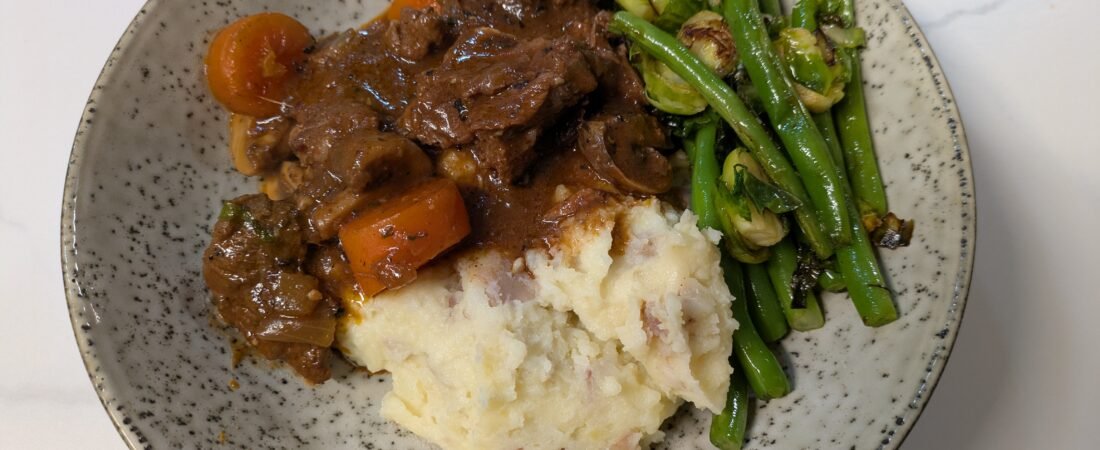
A good beef casserole recipe should deliver tender beef, rich gravy and deep flavour without requiring complicated ingredients. This stovetop beef casserole uses affordable beef chuck, simple pantry staples and a few important flavour-building steps to create a hearty family meal.
After testing this recipe, the biggest difference came from slowing down the preparation process — browning the beef properly, building flavour in layers and reducing the sauce until it became rich and savoury rather than thin.
This recipe is naturally dairy free and can easily be adapted for gluten free families and other dietary needs. It is designed to be flexible, practical and suitable for real family kitchens.
LOW EFFORT
MEAL PREP
FREEZER FRIENDLY
FAMILY FRIENDLY
ADAPTABLE
Why This Beef Casserole Recipe Works
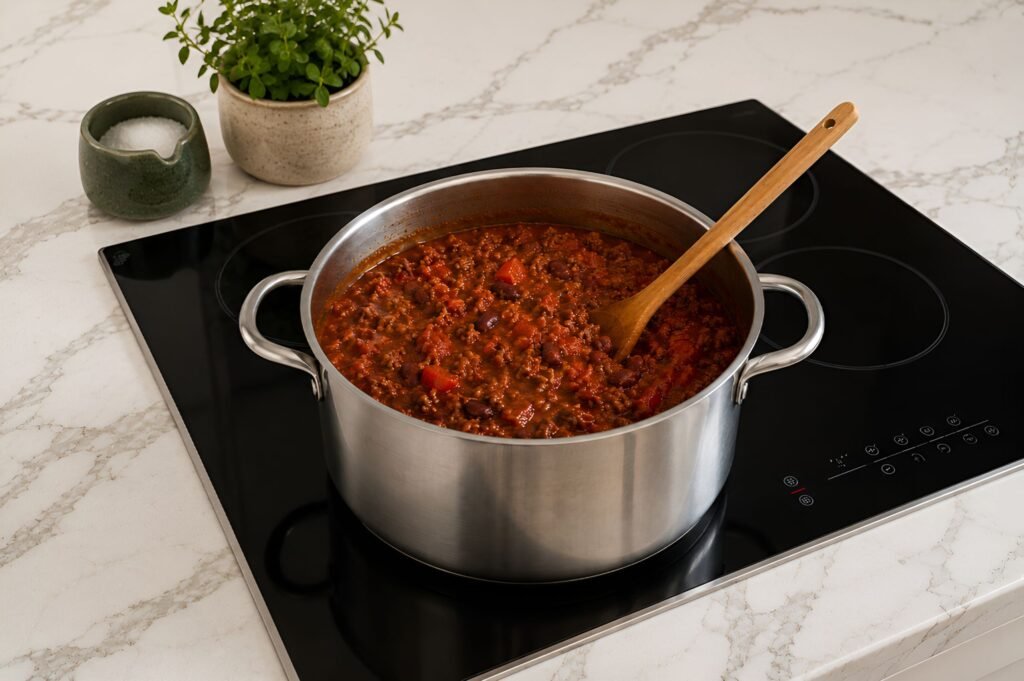
This slow-cooked beef casserole recipe is the perfect winter warmer.
This post may contain affiliate links, which means I may earn a small commission if you purchase through them — at no extra cost to you. These links help support Flexible Family Kitchen and allow me to continue creating free, adaptable recipes. I only share products I personally use or genuinely recommend.
Ingredients
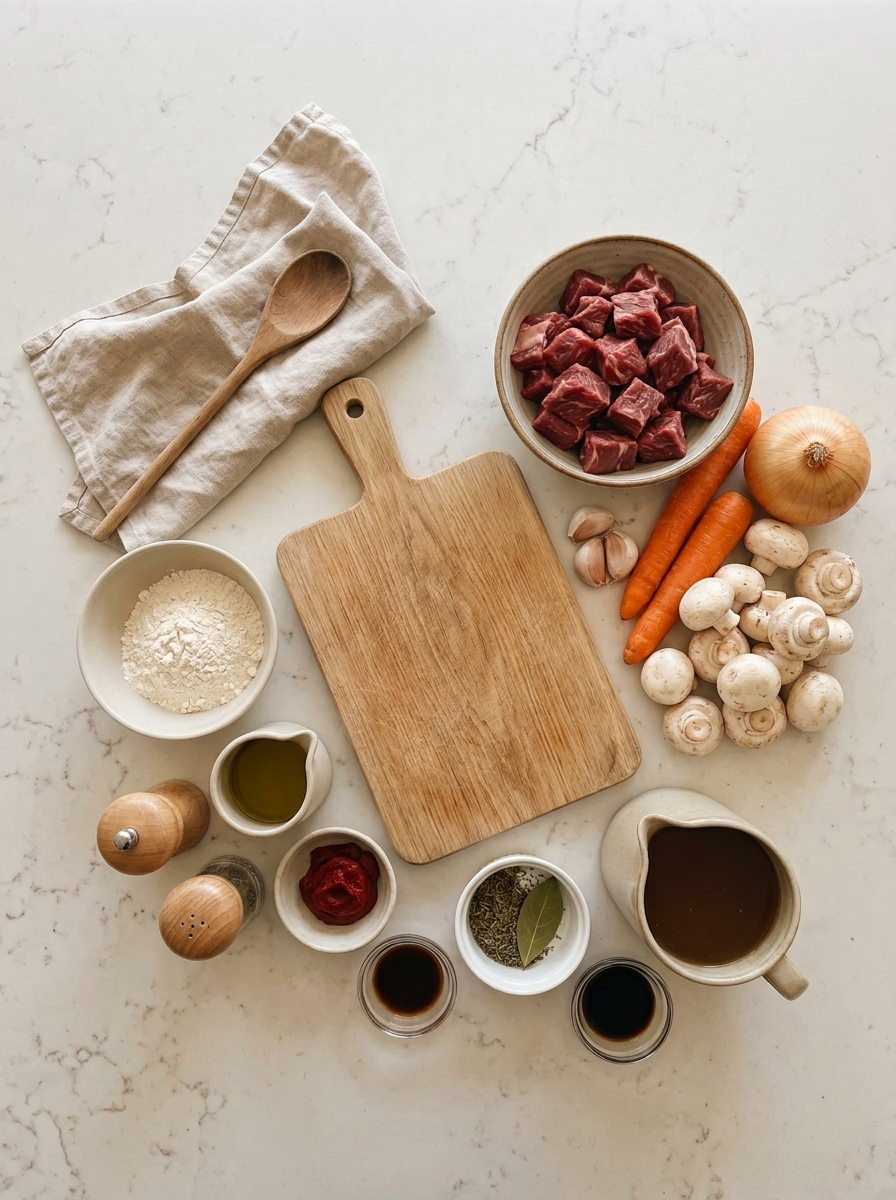
Here’s everything you need to make this rich beef casserole recipe at home.
⚠️ Note: This beef casserole is slow cooked on the stovetop rather than in a slow cooker. You can adapt it for a slow cooker, but the gravy may not reduce and thicken in the same way.
- 1–1.5kg beef chuck steak, cut into chunks – Beef chuck is my preferred choice for this beef casserole recipe because it becomes tender while cooking slowly. The connective tissue breaks down over time, creating that classic fall-apart texture. Trim away any large, thick pieces of fat, but don’t remove it all. The marbling helps keep the beef tender during cooking.
Other options:- Gravy beef
- Diced stewing beef
- Beef cheeks (increase cooking time)
Avoid very lean cuts like topside or rump steak as they can become dry.
- ⅓ cup plain flour – The flour coating helps the beef brown and contributes to a thicker gravy.
For gluten free:- Use a gluten free plain flour blend
- Check all sauces and stock are gluten free
- If you prefer not to use flour, you can thicken the finished casserole with a small amount of cornflour.
- 1 teaspoon salt – Salt helps bring out the flavour of the beef and balances the richness of the sauce. Slow cooked meals often need more seasoning than expected, so taste and adjust before serving.
- ½ teaspoon black pepper – Adds gentle warmth and balances the richness of the beef. Freshly cracked pepper gives the best flavour, but ground pepper works perfectly.
- 2 tablespoons olive oil – Used for browning the beef and vegetables.
- 1 large onion, diced – Onion creates the flavour base for the casserole and adds natural sweetness as it slowly cooks.
For onion-free or low FODMAP options:- Replace onion with the green tops of spring onions if tolerated or omit
- 3 garlic cloves, crushed – Garlic adds depth and savoury flavour.
For low FODMAP:- Replace with garlic-infused oil
- 2 carrots, chopped – Carrots add natural sweetness and balance the richness of the beef gravy. They also help bulk out the casserole with affordable vegetables.
For a lower carbohydrate option:- Reduce carrots
- Add extra mushrooms or zucchini
- 300g mushrooms, quartered – Mushrooms add richness and a deeper savoury flavour. Browning them first is worth the extra step because it concentrates their flavour and prevents excess liquid from watering down the gravy.
Alternatives:- Leave them out
- Add extra carrots
- Use zucchini (added later in cooking)
- FODMAP Adaptation – choose canned mushrooms (drained and rinsed) or oyster mushrooms instead of fresh mushrooms if mushrooms are an issue.
- ⅓ cup tomato paste – Tomato paste adds richness and helps balance the savoury flavours. Cooking it for a few minutes before adding stock removes the sharp raw flavour and creates a deeper sauce.
For nightshade free:- Replace with a nightshade-free tomato alternative such as my Nightshade Free Pasta Sauce. This has not been tested in this recipe, so flavour and texture may vary.
- 1 teaspoon dried thyme – Thyme is a classic herb pairing for beef casserole and adds a subtle earthy flavour. Alternatively, use 1 tbsp fresh thyme leaves.
- 1 bay leaf – Bay leaf adds a gentle background flavour that helps create a more traditional casserole taste. You could use a small amount of fresh rosemary instead.
- 1 tablespoon Worcestershire sauce – Worcestershire sauce adds umami and helps replace some of the complexity normally provided by red wine. For gluten free: Choose a gluten free Worcestershire sauce or use coconut aminos.
- 1–2 teaspoons tamari – Tamari adds extra savoury depth and works beautifully with beef. Only a small amount is needed — too much can change the flavour profile.
Alternatives:- Soy sauce (if gluten is not an issue)
- Coconut aminos for soy free
- 2 cups beef stock – Beef stock creates the base for the gravy and helps bring all the flavours together.
For best results:- Use a good quality beef stock with a rich flavour
- Check labels carefully for gluten, dairy or other allergens if needed
💡Note: Red wine is a common ingredient in beef casserole recipes but it’s not essential. Worcestershire sauce, tamari, tomato paste and properly browned ingredients create a rich savoury gravy without alcohol.
Step-by-Step Instructions
Conventional Method
- Coat the beef in seasoned flour and brown it well in batches. This step creates the deep flavour base for the casserole.
- Cook the onions and mushrooms until softened and golden, then add garlic and tomato paste.
- Return the beef to the pot with stock, Worcestershire sauce, tamari, herbs and vegetables.
- Simmer gently until the beef is tender and the gravy is rich.
- Adjust seasoning and thickness before serving.
The full step-by-step method with exact quantities, timings and instructions is included in the recipe card below.

Flexible Family Cooking Notes
This recipe is designed for real family life — not perfect Pinterest cooking.
The biggest lesson from testing this casserole was that flavour comes from the small steps. Browning the meat, reducing the sauce and seasoning at the end make a bigger difference than adding lots of extra ingredients.
It is also a practical meal for families managing different needs. Cook one casserole base and allow everyone to choose their preferred sides.
Tips for Stress-Free Cooking
Pantry Notes
These swaps help you adapt the recipe depending on what you have available.
- Use gravy beef or stewing beef instead of chuck.
- No Worcestershire sauce? Try extra tamari plus a splash of balsamic vinegar
- Extra vegetables such as potato, pumpkin, green beans or peas at the end would all go well.
- Simmer uncovered before serving or add a small cornflour slurry for thicker gravy.
Tools I Use For This Beef Casserole Recipe
- Large heavy-based casserole pot – A heavy pot makes a noticeable difference because it holds steady heat and helps create better browning.
- Sharp knife – a quality sharp knife makes cutting meat easier and safer.
- Wooden spoon – to stir the casserole
- Measuring spoons – these double-ended magnetic measuring spoons are great for smaller herb jars.
How to Store Beef Casserole
Store leftovers in an airtight container in the fridge for up to 3 days.
This beef casserole recipe freezes well for up to 3 months.
The flavour often improves the next day as the sauce continues to develop.
How to Adapt This Beef Casserole Recipe
These simple swaps make this recipe easier to adapt for allergies, food intolerances, sensory preferences and different dietary needs.
DAIRY FREE
No changes needed
GLUTEN FREE
Use gluten free flour blend, gluten free stock and gluten free Worcestershire sauce.
EGG FREE
No changes needed
LOWER CARB
Reduce carrots and serve with cauliflower mash or vegetables.
NIGHTSHADE FREE
Try my Nightshade Free Pasta Sauce instead of tomato paste (This has not been tested, so the flavour and texture may vary.)
FODMAP ADAPTATION
Replace onion with spring onion greens if tolerated, garlic with garlic-infused oil, and fresh mushrooms with drained canned or oyster mushrooms.
CORN FREE
Use a corn-free flour blend and avoid corn-based thickeners.
SOY FREE
Replace tamari with coconut aminos.
Flexible cooking doesn’t need to mean cooking separate meals for everyone.
👉 For easy adaptable cooking, learn how to confidently swap everyday ingredients like flour, stock, pasta, soy sauce, and baking staples.
⚠️ The more swaps you make, the more the final result may vary — start simple where possible.
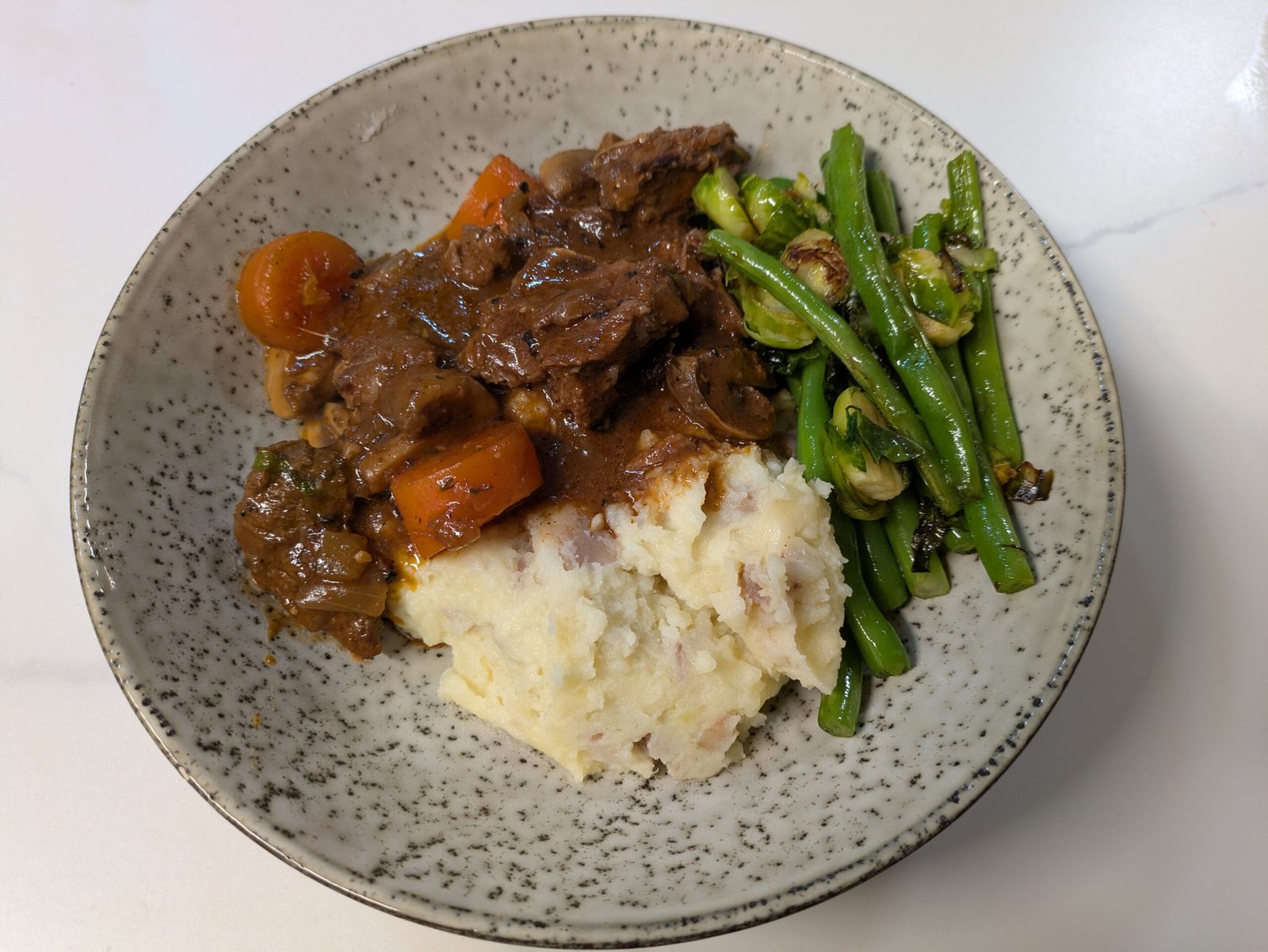

Beef Casserole
Ingredients
Method
- Toss the beef with the flour, salt and pepper until evenly coated.
- Heat the oil in a large heavy-based pot or Dutch oven over medium-high heat. Brown the beef in batches until deeply golden on all sides. Remove to a plate.
- Reduce the heat to medium. Cook the onion for about 5 minutes until softened.
- Add the mushrooms and cook for another 5–7 minutes until they've released their moisture and started to brown.
- Add the garlic and cook for 30 seconds.
- Stir in the tomato paste and cook for 2–3 minutes, stirring constantly, until it darkens slightly.
- Return the beef to the pot with the carrots, stock, Worcestershire sauce, tamari and herbs. Stir well, scraping up all the browned bits from the bottom of the pot.
- Reduce the heat to low and bring to a gentle simmer. Cover with the lid slightly ajar, and cook for 2½–3 hours, stirring every 30–40 minutes. The beef is ready when it falls apart easily with a fork.
- Remove bay leaf and adjust seasoning before serving.
Serving Suggestions
- Creamy mashed potato
- Steamed vegetables
- Rice
- Gluten free bread rolls
- Baked potatoes
- Turn leftovers into individual beef pot pies by topping with puff pastry and baking until golden and crispy.
More Flexible Family Recipes

Tried This Recipe?
Did your family love it too?
Leave a comment and share what swaps you used — it helps other families more than you think!
Frequently Asked Questions
Real Food For Real Families
These recipes are designed to help you cook one flexible meal that works for everyone — without making multiple dinners.
I focus on simple ingredients, practical swaps and real-life cooking. You won’t find perfectly styled food or complicated techniques here — just balanced, adaptable meals for busy families.
Because food should nourish you — not control you.








Leave a Reply