Finding dairy free substitutes that actually work can be frustrating — especially when a swap looks good on paper but completely changes the texture of your meal.
Whether you’re avoiding dairy due to lactose, cow’s milk protein intolerance, or family preferences, this guide breaks down what works in real recipes — from creamy pasta to lasagne and cheesecakes — so you can cook with confidence.
If you’re also managing multiple dietary needs, learning how to adapt a recipe for food intolerances and using a flexible family cooking method can make everyday meals much easier.
Myself and my daughter are both intolerant to cow’s milk protein, so finding reliable dairy-free alternatives is part of our everyday life. Between family dinners, school lunches, and batch cooking, having dish-appropriate swaps makes everything easier — and keeps meals tasting like the originals. This is the kind of insight that helps with practical dairy free cooking.
This post may contain affiliate links, which means I may earn a small commission if you purchase through them — at no extra cost to you. These links help support Flexible Family Kitchen and allow me to continue creating free, adaptable recipes. I only share products I personally use or genuinely recommend.
Why This Post Helps
Most dairy-free guides list options. This one shows you how to use them properly, so your meals still taste like the original. These are the swaps that actually work in dairy free cooking.
This approach works especially well when combined with simple pantry swaps — see my pantry swaps for allergy-friendly cooking guide for more ideas.
Ingredients & Quick Recipe: Macadamia Cream
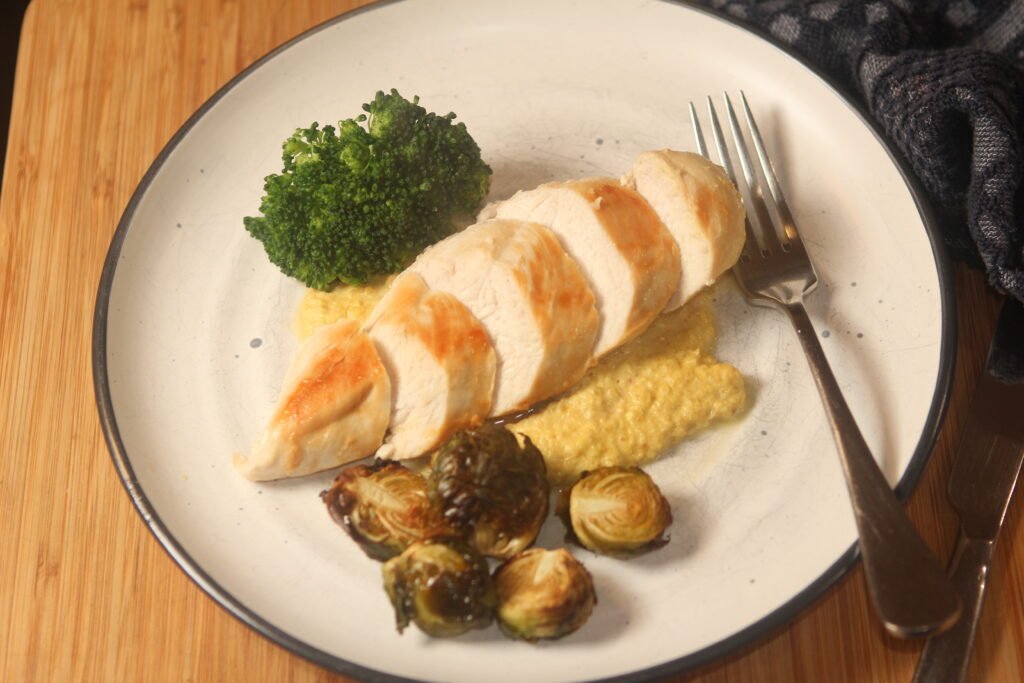
This dairy free macadamia cream is rich, slightly cheesy, and best used as a finishing element, not a full sauce. It’s one of my favourite dairy free swaps for lasagne toppings.
Ingredients
- ½ cup macadamia nuts
- ¼ cup water
- 3 tbsp nutritional yeast flakes
- 2 tbsp lemon juice
- Salt and pepper to taste
Conventional Method
- Preheat oven to 180°C and line a tray with baking paper.
- Place macadamia nuts on tray and bake for 8 minutes, or until golden.
- Place baked nuts in a blender with water, nutritional yeast, lemon juice, salt, and pepper.
- Blend until smooth and creamy. Taste and adjust seasoning.
Thermomix Method
- Preheat oven to 180°C and line a tray with baking paper.
- Place macadamia nuts on tray and bake for 8 minutes, or until golden.
- Place baked nuts in Thermomix bowl with remaining ingredients.
- Blend 30 seconds/ speed 8 or until smooth and creamy. Taste and adjust seasoning.
Dish Notes:
Creamy pasta sauces: Too thick and heavy; coconut cream, cashew cream, or plant-based cream works better here.
Lasagne: Because macadamia cream has a strong, rich flavour, I recommend using it only on top as a finishing layer. For the layers, use coconut cream with nutritional yeast flakes for a dairy-free bechamel-style sauce — it gives creaminess without overpowering the dish. This is one of my favourite dairy free swaps for lasagne.
Roasted vegetables or grilled meats: Adds richness without being too strong.
Dairy Free Substitutes That Actually Work in Everyday Cooking
These dairy free substitutes are based on real cooking results, so you know exactly what will work in your meals.
Cream (This Is Where Most People Get It Wrong)
Choosing the right dairy free substitutes for cream is one of the biggest factors in whether a recipe works or not.
- Coconut cream → Best for creamy pasta, soups, curries
- Cashew cream → Best all-rounder (neutral, smooth)
- Plant cream → Closest to traditional cooking cream (note: this is not corn or soy free)
- Macadamia cream → Best for topping, not sauces
💡 Key tip: If the recipe needs a pourable sauce, macadamia cream won’t work.
Yoghurt
- Coconut yoghurt → Best for creamy textures and desserts
- Soy or almond yoghurt → Best neutral option
- Cashew yoghurt → Great for savoury dips
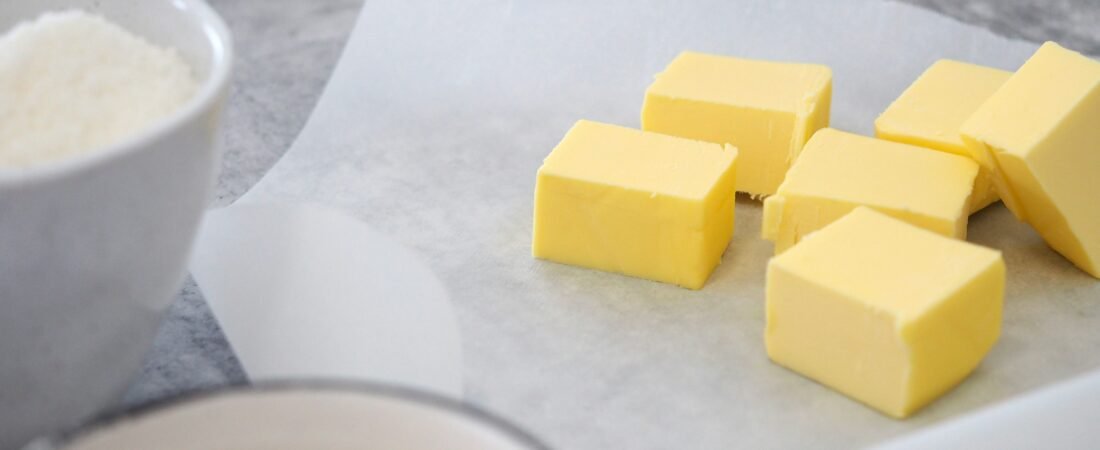
Butter (Critical for Baking Success)
- Plant-based butter → Best 1:1 substitute (especially baking)
- Coconut oil → Works but adds flavour
- Olive oil → Best for cooking, not baking
- Nut butters → Not a true substitute
💡 Key tip: If you want baked goods to taste “normal”, use plant-based butter — a simple and reliable dairy free swap.
Cheese (Flavour vs Function)
- Nutritional yeast flakes → Adds cheesy flavour
- Vegan cheese → Convenient but inconsistent
💡 Key tip: Nutritional yeast gives flavour — not melt.
Cream Cheese, Feta & Cheesecakes
- Soaked cashews → BEST option for cheesecakes
- Vegan cream cheese → Good for baking and frosting
- Macadamia cream → Works as a spread, not for desserts
- Spreadable goat’s cheese → Not recommended for cheesecake
- Tofu → Can be used in some recipes like cheesecakes or creamy fillings, but results vary depending on the type used.
💡 Cheesecake tip: Blend soaked cashews with coconut cream and lemon juice for a firm, sliceable filling that closely mimics traditional cheesecake — one of the most effective dairy free swaps for desserts.
Milk
- Almond, oat, soy, macadamia milk → Everyday use
- Lactose-free milk → Only if lactose is the issue
Sour Cream
- Plant-based sour cream (coconut, cashew, or oat-based) → Best for dips and toppings
- Coconut cream + lemon juice → Good all-round substitute
Dairy Free Substitutes for Different Dishes (Save This Part)
This is where dairy free substitutes make the biggest difference — using the right one for the right dish.
Lasagne
- Layers → coconut cream + nutritional yeast
- Top → macadamia cream
Creamy Pasta
- Best → coconut cream, cashew cream, or plant cream
- Avoid → macadamia cream
Cheesecake
- Best → soaked cashews + coconut cream
- Alternative → vegan cream cheese
Sauces & Soups
- Best → cashew cream or plant cream
Baking
- Butter → plant-based butter
- Cream → coconut or cashew cream
💡 Tip: Knowing which dairy free substitutes suit each dish ensures your meals stay creamy, cheesy, and delicious without compromise.
Non-Coconut Options
If you can’t use coconut, there are still plenty of dairy free substitutes that work well:
- Cashew cream
- Macadamia cream
- Soy-based products
- Almond or oat alternatives
For cow’s milk protein intolerance:
- Goat and sheep milk cheeses are often tolerated
- Pecorino Romano (sheep milk) → Great parmesan alternative
- Goat’s cheese (e.g. Frico Dutch Goat’s Cheese) → Good for slicing/melting
- Available at Coles, Woolworths, and Aldi — practical dairy free alternatives in Australia that work for everyday family meals.
💡 Note: These are still dairy and should be avoided if you are allergic.
A Note About Plant-Based Dairy Products
Many plant-based dairy alternatives are convenient and work well in recipes, but they aren’t always as “clean” or additive-free as traditional dairy. Some contain stabilisers, gums, or emulsifiers to give the texture and creaminess we expect. If you’re aiming for minimally processed ingredients, look for options with short ingredient lists, or make your own (like cashew or macadamia cream).
Even with additives, these products allow you to enjoy creamy sauces, cheesecakes, and baked goods without dairy — and for most families, the trade-off is worth it for taste, texture, and versatility in everyday cooking.
FAQ
What are the best dairy free substitutes for cream?
→ It depends on the dish. Coconut cream works best for creamy pasta, curries, and soups, while cashew cream is more neutral and suits a wider range of recipes. Plant-based cream is the closest to traditional cooking cream, but may contain additives depending on the brand.
Can I use macadamia cream everywhere?
→ No — macadamia cream is best used as a topping or finishing layer, especially for dishes like lasagne. It’s too thick and rich for sauces like creamy pasta, where coconut or cashew cream works much better.
What works best for dairy free cheesecake?
→ Soaked cashews blended with coconut cream and lemon juice give the best texture and structure for dairy free cheesecake. This combination sets well and closely mimics the creaminess of traditional cheesecake without dairy.
Are lactose free products the same as dairy free?
→ No — lactose-free products still contain cow’s milk protein, so they aren’t suitable for people with cow’s milk protein intolerance or dairy allergies. Always check labels carefully to make sure products meet your needs.
What’s the best dairy free butter substitute?
→ Plant-based butter is the most reliable option, especially for baking and pastry. It behaves similarly to regular butter and helps maintain the expected texture in cakes, slices, and biscuits.
How do I know which dairy free substitute to use in a recipe?
→ The key is matching the substitute to the role dairy plays in the dish. For example, coconut cream works well in sauces, while plant-based butter is better for baking.
What dairy free substitutes work best for everyday family meals?
→ The most practical options for everyday cooking include coconut cream, cashew cream, plant-based butter, and dairy-free milk. Keeping a few reliable staples on hand makes it much easier to cook flexible, family-friendly meals without needing to start from scratch each time.
Are dairy free substitutes healthy?
→ It depends on the product. Some plant-based alternatives are minimally processed, while others contain stabilisers or additives for texture. Choosing simple ingredients where possible, or making your own (like cashew or macadamia cream), is a great way to keep meals balanced.
Finding dairy free substitutes that actually work takes a bit of trial and error, but once you know what works in real meals, everything becomes much easier. You don’t need perfect swaps — just reliable ones that suit your family and your routine.
If you’re ready to try these dairy free substitutes in real meals, here are some adaptable recipes to start with:
- Beef Stroganoff — easily made dairy free using coconut or plant cream
- Chicken Bacon and Mushroom Casserole — perfect for swapping in dairy free cream and butter
- Pair your meals with cauliflower mash for a creamy, dairy free side
Found this guide helpful? Share your tips for dairy free cooking — it helps other families see what really works in the kitchen.




Leave a Reply