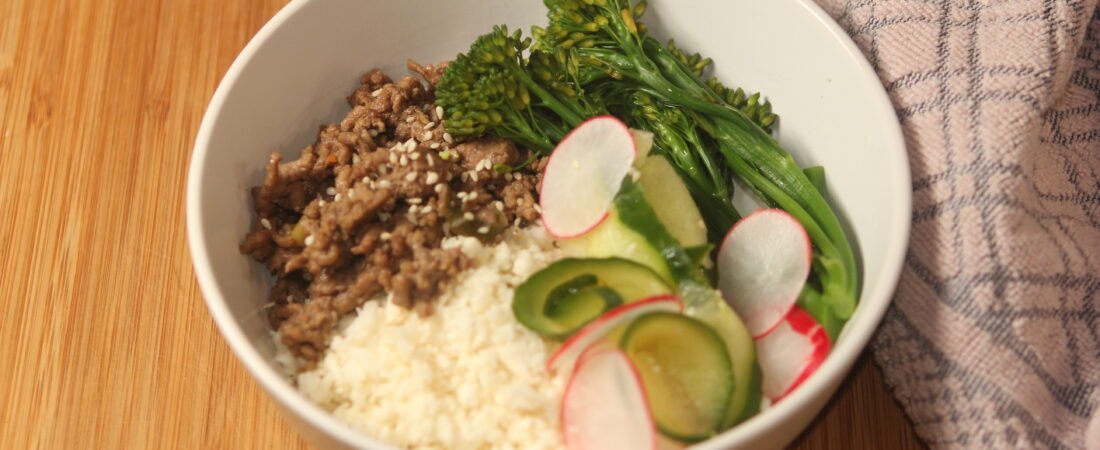
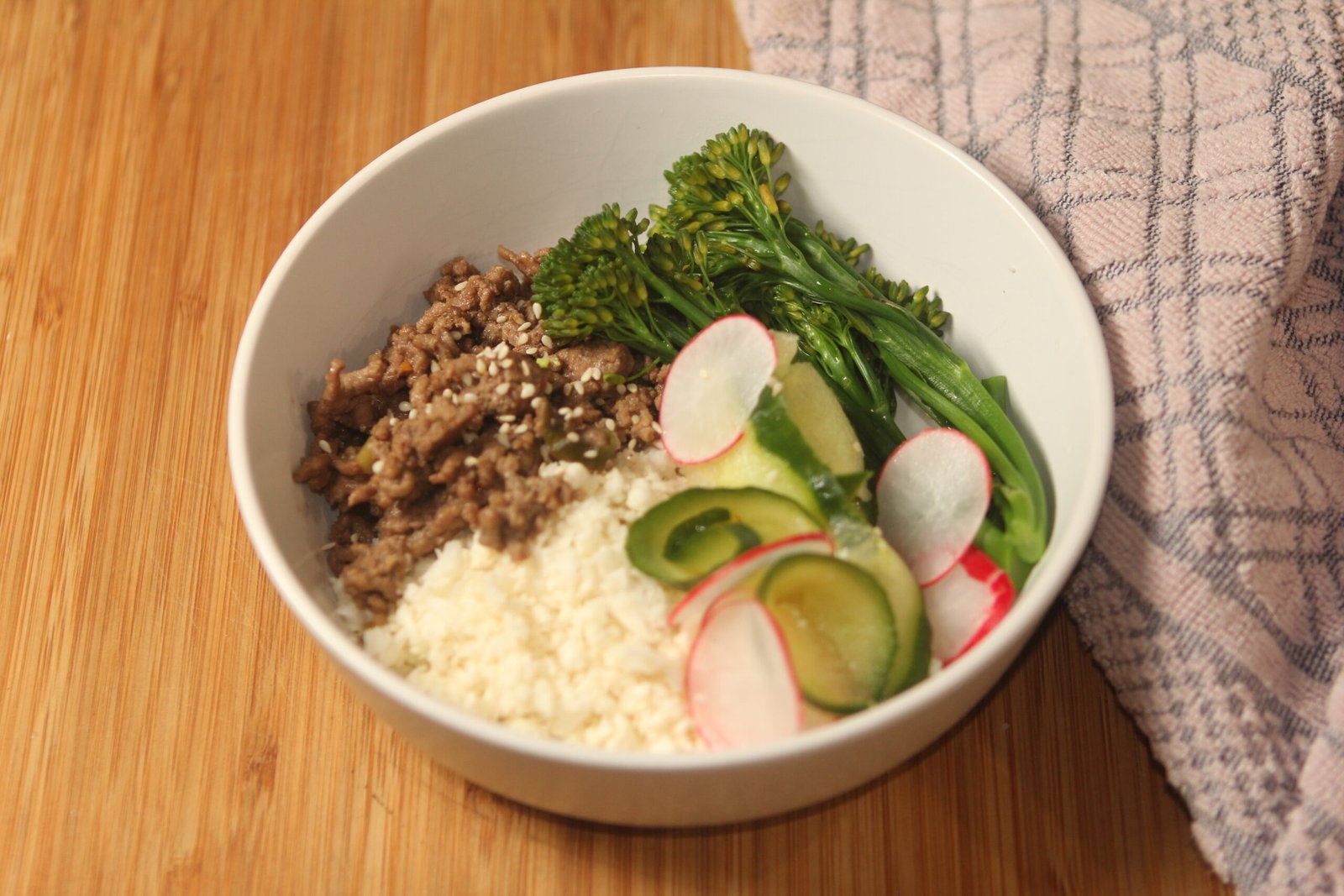
This Korean Beef Bowl recipe is a quick, family-friendly dinner that’s full of flavour, easy to adapt and ready in around 20 minutes. Using simple pantry ingredients and beef mince, it’s perfect for busy weeknights when you need dinner on the table fast.
If you’re building more flexible meals like this, it fits perfectly within the approach of Adapt a Recipe for Food Intolerances, where one base meal can suit different families without extra stress.
This started as a “use what’s in the fridge” dinner and quickly became a regular. It’s the kind of meal that comes together without overthinking and still feels satisfying at the end of a busy day.
It’s the kind of Korean Beef Bowl recipe you can rely on for quick, easy weeknight meals.
LOW EFFORT
FAMILY FRIENDLY
LOW STRESS
DAIRY FREE
ADAPTABLE
Why This Recipe Works
This easy Korean Beef Bowl recipe balances salty tamari with a little sweetness, fresh ginger and garlic to create a rich, savoury sauce that coats every piece of mince. The quick pickled vegetables add freshness and crunch, making the whole dish feel lighter without adding much extra work.
This post may contain affiliate links, which means I may earn a small commission if you purchase through them — at no extra cost to you. These links help support Flexible Family Kitchen and allow me to continue creating free, adaptable recipes. I only share products I personally use or genuinely recommend.
Ingredients
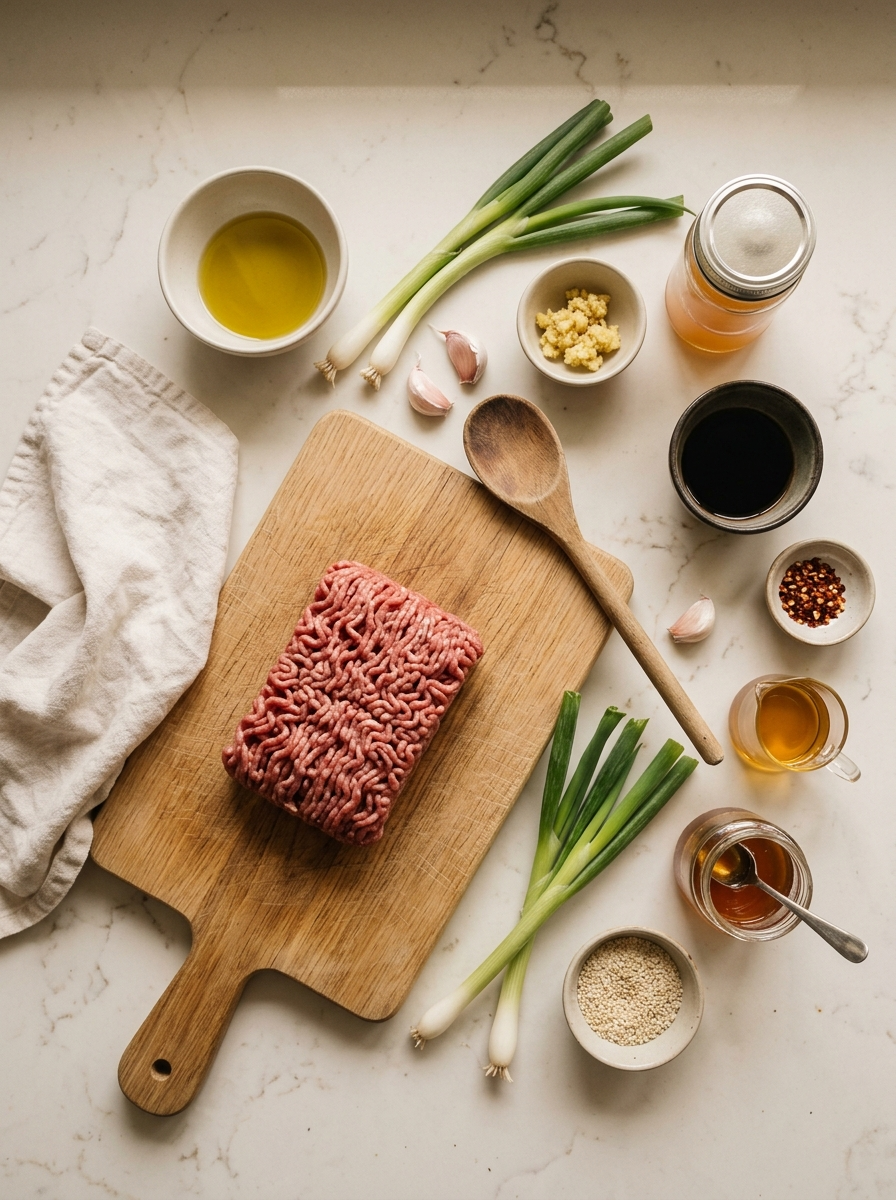
Most of these ingredients are pantry staples, making this Korean Beef Bowl recipe an easy dinner to throw together without a special shopping trip.
Beef Bowl
- 500g beef mince – Lean or regular beef mince both work well. Lean mince creates a lighter sauce, while regular mince adds a richer flavour. You can also use pork, chicken or turkey mince if that’s what you have on hand.
- 1 tbsp extra virgin olive oil – Used for browning the mince and adding flavour. Any neutral cooking oil will work if you prefer.
- 1 tsp minced ginger – Fresh ginger gives the brightest flavour, but jarred ginger is a great time-saving option and works well in this recipe. Ground ginger can be used in a pinch (about ½ teaspoon), although the flavour won’t be quite as fresh.
- 2 garlic cloves, minced – Adds depth and savouriness to the sauce. Fresh garlic gives the best flavour, but jarred minced garlic is perfectly fine for busy nights.
- 2 spring onions, finely sliced – Add freshness and a mild onion flavour without overpowering the dish. For a low FODMAP version, use only the green tops. Chives also make a good substitute.
- 1 tbsp apple cider vinegar – Balances the sweetness and richness of the sauce with a little acidity. Rice vinegar is the closest substitute, while white vinegar works if that’s all you have.
- 3 tbsp tamari – Gives the dish its savoury, umami flavour. Use certified gluten-free tamari if needed, regular soy sauce if gluten isn’t an issue, or coconut aminos for a soy-free option with a slightly sweeter taste.
- 1/4 tsp dried chilli flakes (optional) – Add a gentle warmth rather than a spicy kick. Leave them out for younger children or anyone who prefers milder flavours.
- 1/2 tbsp sesame oil – Adds the classic nutty flavour that’s often associated with Korean-inspired dishes. If you don’t have it, the recipe will still work using olive oil, although the flavour will be a little milder.
- 1 tbsp sweetener – Honey, maple syrup, brown sugar or rice malt syrup all work well. The sweetness balances the saltiness of the tamari and rounds out the sauce rather than making it taste sweet.
- 1 tbsp toasted sesame seeds – Add texture and a subtle nutty finish. Toasting them before serving brings out much more flavour, but pre-toasted sesame seeds are a handy shortcut.
Quick Pickled Veg
- 2 radish, thinly sliced – Adds a peppery crunch that contrasts beautifully with the rich beef. If radishes aren’t available, thinly sliced carrots or even shredded cabbage work well.
- 1 Lebanese cucumber, ribboned or sliced – Brings freshness and a crisp texture. Lebanese cucumbers stay crunchy, but continental cucumber can also be used if that’s what you have.
- 3 tbsp water – Dilutes the pickling liquid slightly so it isn’t overpowering.
- 1 tbsp apple cider vinegar – Gives the vegetables a quick tangy pickle. Rice vinegar creates a slightly milder flavour if you prefer.
- 1/2 tsp salt – Draws moisture from the vegetables and helps develop the quick pickle. Don’t skip it, as it makes a noticeable difference to the final texture and flavour.
Step-by-Step Instructions
Conventional Method
- Prepare the quick pickled vegetables and set aside while you cook the beef.
- Brown the beef mince in a large wok or frying pan.
- Add the garlic, ginger and spring onions until fragrant.
- Stir through the sauce ingredients and simmer until thickened and glossy.
- Toast the sesame seeds.
- Serve over your choice of rice or vegetables with the pickled veg and a sprinkle of sesame seeds.
The full step-by-step method with exact quantities, timings and instructions is included in the recipe card below.

Flexible Family Cooking Notes
This recipe is designed for busy evenings when everyone needs dinner at different times or has different dietary needs. Serve the same Korean beef with rice, cauliflower rice or extra vegetables so everyone can build a bowl that suits them.
Because cooking separate dinners every night isn’t realistic.
Tips for Stress-Free Dinners
Pantry Notes
This Korean Beef Bowl recipe is easy to adapt with everyday ingredients.
- No tamari? Use soy sauce or coconut aminos (slightly sweeter)
- No fresh ginger? Use 1/2 tsp ground ginger
- No radish? Carrot ribbons or cabbage work well. Finely shredded cauliflower also works well if you’d like to add extra vegetables.
- No sesame oil? Use olive oil and add extra sesame seeds
- Sweetener swaps: honey, maple syrup or brown sugar
As long as you keep the balance of salty, sweet and tangy, the dish still comes together well.
Tools I Use for This Korean Beef Bowl Recipe
- Mandoline Slicer – for consistent, thin slicing of pickle veg ingredients.
- Large wok or deep frying pan – Perfect for browning the mince properly and allowing the sauce to reduce without overcrowding.
- Garlic crusher – to mince the garlic
How to Store This Korean Beef Bowl
Store leftovers in an airtight container in the fridge for up to 3 days. Store the pickle separately for easy reheating of the meat and rice.
Freeze the Korean beef on its own or with cooked rice for up to 3 months. The quick pickled vegetables are best made fresh, as they lose their crisp texture after freezing.
How to Adapt This Korean Beef Bowl Recipe
These simple swaps make this recipe easier to adapt for allergies, food intolerances, sensory preferences and different dietary needs.
DAIRY FREE
Already dairy free
GLUTEN FREE
Use certified gluten-free tamari and check packaged ingredients, including sesame oil and sweeteners, if required.
EGG FREE
No changes needed
LOW CARB
Serve with cauliflower rice or extra steamed vegetables.
NIGHTSHADE FREE
No changes needed
FODMAP-FRIENDLY
Use garlic-infused oil and green tops of spring onion.
CORN FREE
Check ingredient labels on packaged ingredients if needed.
SOY FREE
Use coconut aminos instead of tamari.
Flexible cooking doesn’t need to mean cooking separate meals for everyone.
👉 For easy adaptable cooking, learn how to confidently swap everyday ingredients like flour, stock, pasta, soy sauce, and baking staples.
⚠️ The more swaps you make, the more the final result may vary — start simple where possible.

Korean Beef Bowl
Ingredients
Method
- Combine the sliced radish, cucumber, water, apple cider vinegar and salt in a medium bowl. Toss well to coat and set aside while you prepare the beef. The vegetables will soften slightly while still keeping their crunch.
- Place a large wok or deep frying pan over medium-high heat. If using sesame seeds that aren't already toasted, add them to the dry pan and cook for 2–3 minutes, stirring frequently until lightly golden and fragrant. Transfer to a small bowl and set aside.
- Return the pan to the heat and add the olive oil. Add the beef mince and cook for 5–7 minutes, breaking it up with a wooden spoon, until browned and most of the liquid has evaporated.
- Add the minced ginger and garlic and cook for 30 seconds until fragrant. Stir through the sliced spring onions and cook for another 1–2 minutes until softened.
- Add the apple cider vinegar, tamari, dried chilli flakes (if using), sesame oil and your chosen sweetener. Stir well to coat the beef evenly.
- Reduce the heat to medium-low and simmer for 3–5 minutes, stirring occasionally, until the sauce has reduced slightly and becomes glossy, coating the mince. If the sauce thickens too much, add 1–2 tablespoons of water to loosen it.
- Divide cooked jasmine rice, brown rice or cauliflower rice between serving bowls if using. Spoon the Korean beef over the top.
- Drain the quick pickled vegetables and serve alongside the beef. Sprinkle with the toasted sesame seeds and garnish with extra sliced spring onions if desired.
Notes
- Browning the mince well before adding the sauce gives the best flavour.
- Don’t skip the simmering step—it allows the sauce to reduce and coat the beef properly.
- The quick pickled vegetables balance the richness of the beef and are worth making, even if you’re short on time.
- Leftovers keep well for up to 3 days in the fridge, with the pickled vegetables stored separately.
Serving Suggestions
This Korean Beef Bowl recipe is easy to serve in different ways depending on what your family prefers.
- Serve over jasmine rice for a traditional Korean-inspired bowl.
- Pair with cauliflower rice or extra steamed vegetables for a lower carb meal.
- Add steamed broccoli, green beans or bok choy for extra vegetables.
- Top with a fried egg for extra protein and richness.
- Sprinkle with extra spring onions, sesame seeds or a drizzle of sriracha if everyone likes a little heat.
More Flexible Family Recipes
Tried This Recipe?
Did your family love it too?
Leave a comment and share what swaps you used — it helps other families more than you think!
Frequently Asked Questions
Real Food For Real Families
These recipes are designed to help you cook one flexible meal that works for everyone — without making multiple dinners.
I focus on simple ingredients, practical swaps and real-life cooking. You won’t find perfectly styled food or complicated techniques here — just balanced, adaptable meals for busy families.
Because food should nourish you — not control you.
More Helpful Resources
Tried This Recipe?💬
Leave a comment and share what swaps you used — it helps other families more than you think!


Leave a Reply