Setting up gluten free pantry staples can feel overwhelming at the start, especially when every label seems to hide something unexpected. But once you know what actually works in home cooking, it becomes much easier to cook everyday meals the whole family can enjoy.
This guide focuses on practical pantry essentials — the kind that support adaptable recipes, allergy-friendly swaps, and easy weeknight meals without needing separate cooking. It’s about making one base meal work for everyone, with simple, family-friendly swaps.
It’s also worth remembering that just because something is labelled “gluten free” doesn’t mean you need to buy the specialty version. Many everyday pantry foods are naturally gluten free, without the added cost of specialty products.
If you’re also managing multiple dietary needs, learning how to adapt a recipe for food intolerances and using a flexible family cooking method can make everyday meals much easier.
This post may contain affiliate links, which means I may earn a small commission if you purchase through them — at no extra cost to you. These links help support Flexible Family Kitchen and allow me to continue creating free, adaptable recipes. I only share products I personally use or genuinely recommend.
Why These Gluten Free Pantry Staples Matter
A well-stocked pantry means:
- Faster, low-stress cooking during the week
- Easier school lunches and snacks
- Less time second-guessing labels at the supermarket
- More confidence with mixed dietary needs
- Reliable foundations for adaptable recipes
This is what makes gluten free pantry staples so valuable — they remove friction from everyday cooking.
Core Gluten Free Pantry Staples to Keep On Hand
Grains & Starches
- Rice (jasmine, basmati, brown)
- Rice noodles and glass noodles – perfect for quick stir-fries and soups
- Corn tortillas (check labels carefully)
Baking & Thickening Basics
- Cornflour (corn starch)
- Tapioca starch
- Gluten free plain flour blends
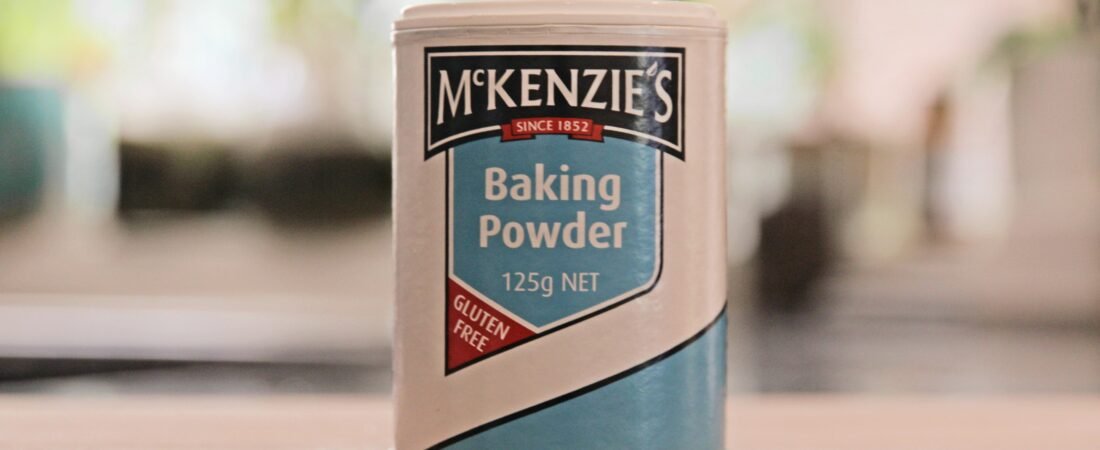
- Baking powder (must be labelled gluten free)
Pantry Proteins
- Canned chickpeas and lentils
- Tuna and salmon
- Nut butters
Cooking Essentials
- Olive oil, coconut oil
- Vinegar (apple cider, white)
- Gluten free stock
- Tamari (gluten free soy sauce alternative)
For Australian labelling guidance, Coeliac Australia is a trusted reference: https://www.coeliac.org.au . Their guidelines are the gold standard for gluten free labelling in Australia. If you’re unsure, their advice is what most health professionals follow.
Ingredients to Watch or Avoid
When building gluten free pantry staples, these are the common hidden sources of gluten:
- Regular soy sauce (contains wheat)
- Gravies and stock powders without gluten free labelling
- Pre-made spice mixes with fillers or anti-caking agents
- Processed meats and crumbed products
- Flavoured snacks
- Malt vinegar and malt extract products
A simple rule: if it’s processed and not clearly labelled gluten free, double-check it.
⚠️ Tip: If you’re unsure, always check the label carefully — especially for processed foods where gluten can be less obvious.
Common Gluten Terms on Ingredient Labels (Australia)
One of the hardest parts of managing gluten free pantry staples is knowing what to look for on labels. Gluten isn’t always listed clearly.
Ingredients That Contain Gluten
- Wheat (including wheat flour, wheat starch*)
- Barley
- Rye
- Triticale
- Spelt
- Semolina
- Couscous
- Farina
👉Wheat starch is sometimes processed overseas to remove gluten, but in Australia it is not considered safe unless clearly labelled.
Ingredients That Often Contain Gluten
- Malt (malt extract, malt flavouring, malt vinegar)
- Brewer’s yeast
- Hydrolysed vegetable protein (may be wheat-based)
- Modified starch (if source not specified)
- Flavourings (source may vary)
Ingredients That Are Usually Safe (But Still Check)
- Cornflour (maize starch)
- Tapioca starch/flour
- Rice flour
- Potato starch
- Vinegar (except malt vinegar)
- Plain herbs and spices
Understanding “Gluten Free” Labels in Practice
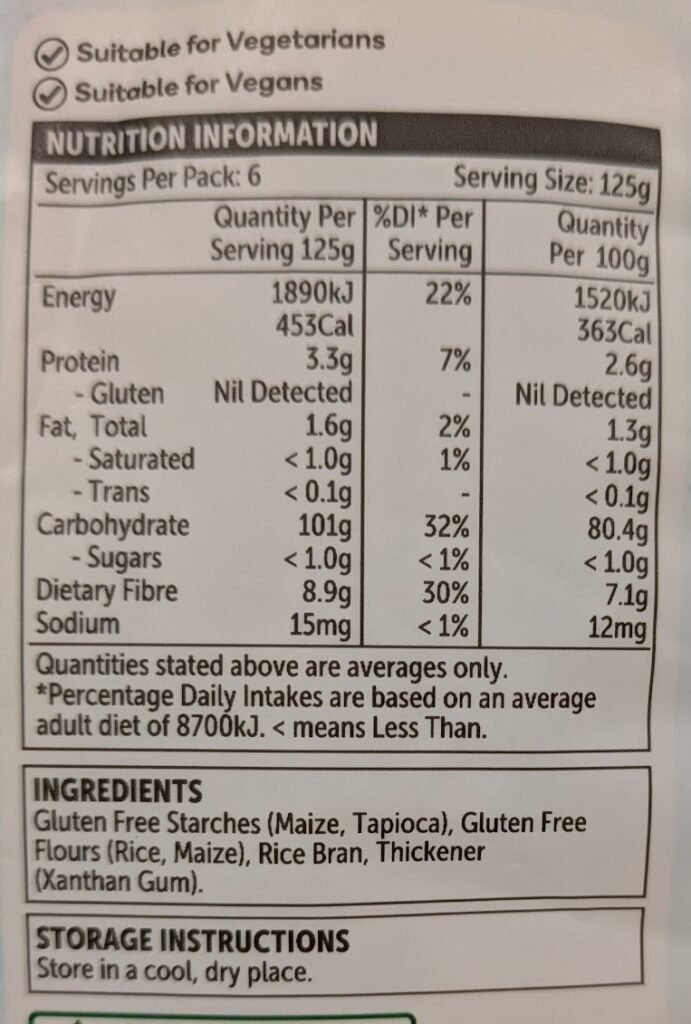
If you’re managing other food intolerances, it’s important to check gluten free products carefully too. Many gluten free flours and packaged foods use ingredients like corn or soy as substitutes for wheat.
That means something can be gluten free, but still not suitable for your needs.
This is especially relevant for:
- Gluten free flour blends
- Baking mixes
- Processed gluten free snacks
What Actually Works in Real Life
In everyday cooking, you’re not analysing every ingredient from scratch — you’re looking for shortcuts that are safe and reliable.
- Stick to simple ingredient lists — if you recognise the ingredients, that’s usually a good sign
- Use trusted brands for repeat purchases
- When in doubt, skip it — especially for sauces and processed foods
Always check labels, even on products you buy regularly. Ingredients can change without much notice, and packaging doesn’t always make that obvious. This is especially important for sauces, stock, seasoning blends, and processed foods — the ingredients list is always your safest reference.
This small habit is one of the most important parts of managing gluten free pantry staples safely in home cooking.
Quick Label-Reading Rule (That Actually Helps)
If a product:
- isn’t labelled gluten free
- contains vague terms like “flavouring” or “starch”
- or looks heavily processed
👉 it’s worth double-checking or avoiding.
That one habit makes managing gluten free pantry staples far more manageable in day-to-day cooking.
Budget vs Worth It (Where to Save vs Spend)
One of the biggest mindset shifts with gluten free pantry staples is realising you don’t need to spend more on everything.
Save Your Money On
- Rice, potatoes, and basic grains
- Fresh fruit and vegetables
- Meat, chicken, eggs
- Beans and lentils
- Oil and vinegar
These are naturally gluten free and don’t need premium versions.
Worth Paying For
These are the products that make the biggest difference in how meals turn out.
Rice Crumbs
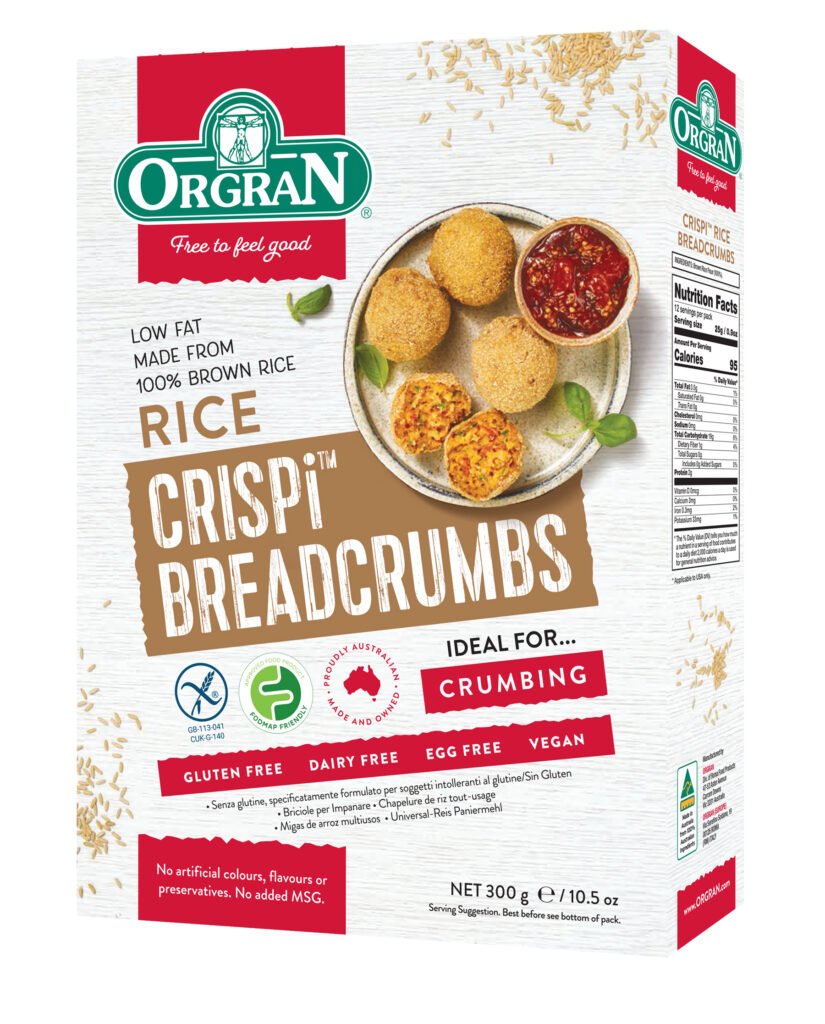
Rice crumbs are one of the easiest gluten free swaps that actually work. They give a proper crunchy coating and don’t go soggy like some alternatives.
We use Orgran Rice Crispi Breadcrumbs, which are made from 100% brown rice flour. They hold their texture well and work consistently in everyday meals.
They’re especially good for:
- Schnitzels and parma-style bakes
- Homemade nuggets
- Meatballs that hold together properly
If you’ve ever had gluten free coatings fall apart or turn soggy, this is usually the fix.
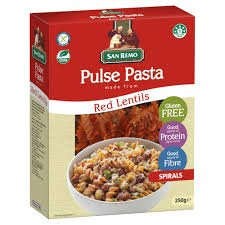
Gluten Free Pasta
This is where quality really matters. Some gluten free pastas fall apart, go mushy, or don’t hold up once you add sauce.
We use San Remo Red Lentil pasta — it’s more expensive, but it’s one of the few that actually holds its texture and doesn’t fall apart.
It’s one of the few gluten free pastas the gluten-eaters in our house actually liked — which makes gluten free dinners a whole lot easier.
It also works well in everyday meals like bolognese, pasta bakes, or simple weeknight dinners where you need something reliable.
Gluten Free Seasoning Blends
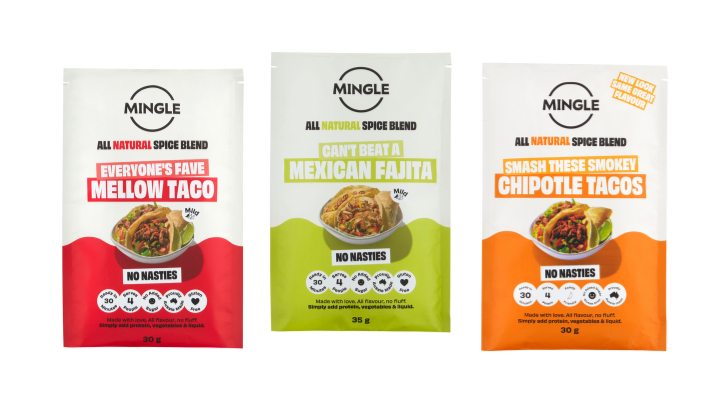
A good gluten free seasoning blend takes a lot of the guesswork out of cooking — especially when you’re trying to avoid hidden gluten in spice mixes.
We regularly use Mingle seasoning which is made with simple ingredients and clearly labelled. It’s also an Australian brand, which makes it easy to find and reliable for everyday use.
What makes it so useful isn’t just that it’s gluten free — it’s that it simplifies cooking:
- You don’t need multiple spice jars
- You’re not checking every ingredient every time
- You can build flavour quickly on busy nights
It’s especially helpful for:
- Tray bakes
- Quick mince meals
- Chicken and veggie bowls
On nights when you don’t want to think too much, having something like this on hand makes it much easier to pull together a meal that still tastes good.
Make It a Pantry Meal Notes (Where Real Cooking Gets Easier)
This is where your pantry turns into actual weeknight meals.
- Rice or quinoa replaces wheat-based pasta or couscous
- Cornflour or tapioca starch thickens sauces like wheat flour
- Tamari replaces soy sauce without changing flavour
- Rice crumbs replace breadcrumbs with a reliable crunchy texture
These are the kinds of swaps that make gluten free pantry staples work in everyday cooking.
A Note About Oats
Oats are naturally gluten free, but they contain a protein called avenin, which can trigger reactions in some people with coeliac disease. They are also commonly contaminated with wheat, barley, or rye during processing.
In Australia, oats cannot be labelled gluten free. While some people with gluten intolerance may tolerate them, they are generally avoided in a strict gluten free diet unless advised otherwise by a health professional.
Pantry Meal Ideas Using These Staples
Once your pantry is set up, you can quickly pull together meals like:
- Cottage Pie Recipe (Flexible Family Favourite)
- Chilli Con Carne Recipe (Easy Weeknight Meal)
- Spaghetti Squash Meatballs Recipe
These recipes rely on simple, adaptable ingredients — exactly what strong gluten free pantry staples should support.
Storage Tips for a Safe Gluten Free Pantry
- Store gluten free items on a dedicated shelf where possible
- Use sealed containers for dry goods
- Label flour blends and starches clearly
- Avoid shared utensils in spreads and baking ingredients
- Keep “safe snack” options easy to grab
FAQ
What are the most important gluten free pantry staples to start with?
→ Rice, cornflour, gluten free stock, and a reliable flour blend are the best starting points. These basics allow you to cook most everyday meals without stress.
Are seasoning blends safe in a gluten free pantry?
→ Not always. Some contain fillers or wheat-based additives. Choosing clearly labelled gluten free options like Mingle helps simplify cooking.
What can I use instead of breadcrumbs?
→ Rice crumbs are one of the easiest swaps that actually hold their texture. They provide a similar texture and work well in meatballs, schnitzels, and baked meals. You can also use gluten free breadcrumbs or almond meal. Or, make your own breadcrumbs from gluten free bread.
Can I still cook normal family meals with gluten free pantry staples?
→ Yes — most meals adapt easily using simple swaps like rice instead of pasta or cornflour instead of wheat flour.
What’s the biggest mistake when starting a gluten free pantry?
→ Overcomplicating it with too many specialty products. A simple pantry with a few reliable staples works far better.
Final Thoughts
Building gluten free pantry staples isn’t about restriction — it’s about creating a kitchen that actually works for your family. With the right basics and a few reliable shortcuts, everyday cooking becomes simpler and far less stressful. This approach makes everyday gluten free cooking and adaptable meals much easier to manage.
Tried this approach? Leave a comment and share what swaps you use — it helps other families more than you think!

Leave a Reply